
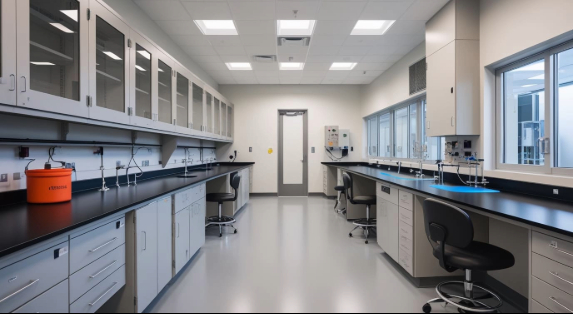
Introduction: Why Proper Design of a Laboratory Gas Distribution System Matters
A Laboratory Gas Distribution System is a mission-critical utility that supports safe, precise, and uninterrupted laboratory operations. Whether used in research laboratories, pharmaceutical facilities, diagnostic centers, educational institutions, or cleanrooms, the system ensures controlled delivery of gases such as oxygen, nitrogen, compressed air, hydrogen, carbon dioxide, and specialty gases to points of use. Because these gases often operate under pressure and may be flammable, toxic, or high-purity in nature, even small design flaws can have serious consequences.
Despite its importance, the laboratory gas distribution system is frequently underestimated during the planning and design phase. Architects and engineers sometimes treat it as a secondary service rather than a core safety and performance component. As a result, laboratories may face gas pressure instability, contamination risks, non-compliance with safety standards, frequent maintenance issues, and limitations on future expansion. In worst-case scenarios, poor design can lead to gas leaks, fire hazards, equipment damage, and endangerment of laboratory personnel.
Many of these problems stem from common and avoidable design mistakes. These include inadequate assessment of gas requirements, poor material selection, ignoring regulatory standards, improper system layout, and lack of safety mechanisms. Once installed, correcting these mistakes often requires expensive retrofitting, operational downtime, and revalidation.
This article examines the most common mistakes in Laboratory Gas Distribution System design, explaining how they occur, why they are dangerous, and what impact they have on laboratory performance and safety. By understanding these pitfalls, laboratory owners, consultants, and designers can make informed decisions that lead to safer, more efficient, and future-ready gas distribution systems.
1. Inadequate Assessment of Laboratory Gas Requirements
One of the most fundamental mistakes in laboratory gas distribution system design is failing to accurately assess the laboratory’s actual and future gas requirements. Every laboratory has unique operational demands based on the type of research conducted, the instruments used, and the number of workstations that require gas supply. Designing a system without a detailed understanding of these factors often results in serious inefficiencies.
A common error is designing the system solely around current needs. While this may reduce initial costs, it leaves no room for expansion. As laboratories grow, introduce new equipment, or add additional gas types, the existing laboratory gas distribution system may become undersized. This leads to pressure drops, insufficient flow rates, and the need for costly modifications.
Conversely, overestimating requirements can also be problematic. Oversized pipelines, excessive regulators, and unnecessary redundancy increase capital expenditure and operating costs without delivering proportional benefits. In addition, poorly estimated demand can result in uneven gas distribution, especially in centralized systems serving multiple zones.
Another frequent oversight is ignoring peak demand conditions. Gas consumption often fluctuates during high-activity periods, and failure to account for simultaneous usage can cause pressure instability. Sensitive analytical instruments may malfunction or produce inaccurate results under such conditions.
A well-designed laboratory gas distribution system begins with a comprehensive requirement analysis. This includes identifying gas types, purity levels, pressure ranges, flow rates, number of outlets, redundancy needs, and long-term expansion plans. Without this foundation, even the most advanced components cannot compensate for flawed system planning.
2. Poor Selection of Piping Materials and Components
Material selection plays a critical role in the safety, performance, and longevity of a laboratory gas distribution system. One of the most common design mistakes is choosing piping materials without fully considering gas compatibility, purity requirements, and operating conditions. This oversight can lead to contamination, corrosion, leakage, and premature system failure.
Different gases interact differently with materials. For example, high-purity gases used in analytical and pharmaceutical laboratories require electropolished stainless steel piping to prevent particle generation and chemical reactions. However, some designers opt for lower-grade copper or carbon steel to reduce costs, compromising gas purity and system reliability.
Another mistake is ignoring pressure and temperature ratings of pipes, valves, and fittings. Components not rated for the required operating conditions may deform, crack, or fail under stress. In laboratory gas distribution systems handling flammable or toxic gases, such failures pose serious safety risks.
Incompatibility between materials and gases is also a major concern. Certain gases can react with specific metals or elastomers, causing degradation over time. This not only affects system integrity but also increases maintenance frequency and operational downtime.
Additionally, poor-quality joints, improper welding techniques, and use of non-certified components can introduce micro-leaks that are difficult to detect but dangerous in the long term.
A robust laboratory gas distribution system design specifies materials based on gas type, purity class, pressure, regulatory requirements, and lifecycle cost. Investing in appropriate materials at the design stage significantly reduces safety risks, contamination issues, and long-term maintenance expenses.
3. Ignoring Safety Standards and Regulatory Compliance
Failure to comply with safety standards and regulations is one of the most serious mistakes in laboratory gas distribution system design. Laboratories are governed by strict national and international codes such as ISO, NFPA, ASTM, CGA, and local safety authorities. Ignoring these standards can result in unsafe working conditions, regulatory penalties, and project delays.
A common issue is the absence of required safety features such as emergency shut-off valves, proper labeling, ventilation provisions, and separation of incompatible gas lines. Designers may also overlook minimum clearance requirements, fire-rated enclosures, and exhaust routing guidelines.
Another frequent mistake is treating compliance as an afterthought rather than an integral part of the design process. Retrofitting safety features after installation is often costly and disruptive. Moreover, systems that fail inspections may not receive operational approval, delaying laboratory commissioning.
Documentation is another area where compliance is compromised. Incomplete design records, missing test reports, and lack of validation documentation make it difficult to demonstrate adherence to safety standards during audits.
A compliant laboratory gas distribution system not only meets legal requirements but also enhances operational reliability and user confidence. Regulatory standards are developed based on proven safety practices and should be viewed as a minimum benchmark rather than a limitation.
Early involvement of safety officers, regulatory consultants, and certified gas system specialists ensures that the design aligns with all applicable codes. This proactive approach reduces risk, simplifies approvals, and protects both personnel and assets.
4. Inadequate Pressure Regulation and Flow Control
Proper pressure regulation and flow control are essential for the stable operation of a laboratory gas distribution system. One of the most common design mistakes is underestimating the importance of precise pressure management across different zones and points of use.
In poorly designed systems, gas pressure may fluctuate due to improper regulator placement, undersized pipelines, or lack of secondary regulation. These fluctuations can damage sensitive instruments, disrupt experiments, and lead to inconsistent results. In high-purity or analytical laboratories, even minor pressure variations can compromise data integrity.
Another frequent oversight is using a single pressure regulation stage for the entire system. While this may work for simple applications, complex laboratories often require multiple pressure levels for different instruments. Without localized regulation, users may resort to unsafe manual adjustments.
Excessive pressure can also increase gas consumption, raise operating costs, and accelerate wear on components. In extreme cases, overpressure conditions may trigger safety incidents or equipment failure.
A well-engineered laboratory gas distribution system incorporates primary regulators at the source, secondary regulators at zone panels, and point-of-use control where required. Pressure relief devices, gauges, and flow meters further enhance system stability and safety.
Accurate pressure and flow control not only protect equipment and personnel but also improve efficiency and reproducibility. Neglecting this aspect during design often results in long-term operational challenges that are difficult and expensive to resolve.
5. Poor System Layout and Routing Design
The physical layout of a laboratory gas distribution system has a direct impact on safety, efficiency, and maintenance. One common mistake is designing pipe routes based on convenience rather than performance and accessibility.
Excessively long pipe runs increase pressure drop and gas transit time, reducing system efficiency. Poor routing through congested ceiling spaces or inaccessible shafts makes inspection and maintenance difficult. In emergency situations, delayed access to valves can significantly increase risk.
Another issue is inadequate separation between gas lines and electrical or data services. This increases the likelihood of accidental damage during maintenance work and may violate safety standards. Incompatible gases routed too closely together also pose additional hazards.
Improper zoning is another frequent design flaw. Without logical segmentation, isolating a single lab or workstation for maintenance may require shutting down the entire laboratory gas distribution system, leading to unnecessary downtime.
A well-planned layout prioritizes short, direct routes, clear zoning, and easy access to critical components such as valves, regulators, and panels. Design coordination with architectural, HVAC, and electrical systems is essential to avoid conflicts and rework.
Optimized routing improves safety, reduces pressure losses, and simplifies long-term maintenance. Neglecting layout planning often results in operational inefficiencies that persist throughout the system’s lifecycle.
6. Lack of Leak Detection, Alarms, and Emergency Controls
One of the most dangerous mistakes in laboratory gas distribution system design is failing to incorporate adequate leak detection and emergency response mechanisms. Gas leaks, even small ones, can escalate quickly into serious safety incidents if not detected early.
Many systems are designed without gas sensors, alarm panels, or automatic shut-off valves, particularly in smaller laboratories. This reliance on manual detection is risky, especially for odorless or toxic gases. By the time a leak is noticed, significant exposure or damage may have already occurred.
Another oversight is failing to integrate alarms with the building management system (BMS). Without centralized monitoring, response times are slower, and coordination during emergencies becomes more difficult.
Emergency shut-off valves are often improperly located or not clearly labeled, delaying response during critical situations. In some cases, only the main supply can be shut off, affecting the entire laboratory rather than isolating the affected zone.
A modern laboratory gas distribution system should include continuous leak detection for hazardous gases, audible and visual alarms, and automated shut-off mechanisms. These features significantly reduce risk and enhance overall safety.
Ignoring these safeguards not only endangers personnel but also exposes organizations to regulatory penalties and liability. Proactive safety integration is a fundamental requirement, not an optional upgrade.
7. Failure to Plan for Maintenance, Accessibility, and Future Expansion
A laboratory gas distribution system is a long-term investment, yet many designs fail to consider maintenance, accessibility, and future growth. This short-sighted approach leads to higher operating costs and reduced system lifespan.
Common mistakes include placing valves and regulators in hard-to-reach locations, concealing pipelines behind fixed structures, and omitting isolation valves for individual zones. These design flaws make routine maintenance difficult and emergency repairs time-consuming.
Another frequent oversight is designing a rigid system with no allowance for expansion. As laboratory needs evolve, the inability to add new gas lines or outlets forces costly shutdowns and retrofits. This is particularly problematic in research and pharmaceutical environments where flexibility is essential.
Lack of documentation and labeling further complicates maintenance. Without accurate as-built drawings and clear identification, technicians may struggle to diagnose issues or safely modify the system.
A future-ready laboratory gas distribution system incorporates modular design, spare capacity, accessible service corridors, and comprehensive documentation. Planning for maintenance and expansion from the outset ensures operational continuity and protects the initial investment.
Conclusion
Designing a safe, efficient, and compliant Laboratory Gas Distribution System requires careful planning, technical expertise, and a long-term perspective. The common mistakes discussed—ranging from inadequate requirement assessment and poor material selection to ignoring safety standards and future expansion—are often the result of underestimating the system’s complexity and importance.
These design errors can lead to safety hazards, operational inefficiencies, regulatory non-compliance, and significant financial losses. More importantly, they can compromise the well-being of laboratory personnel and the integrity of scientific work.
A successful laboratory gas distribution system design prioritizes safety, compliance, flexibility, and maintainability. It is based on accurate requirements, uses appropriate materials, incorporates robust safety mechanisms, and allows for future growth. Collaboration between laboratory planners, engineers, safety officers, and end users is essential to achieving these goals.
By avoiding common design mistakes and following best practices, organizations can ensure a gas distribution system that supports reliable laboratory operations for years to come. Investing time and resources during the design phase ultimately delivers long-term value, safety, and operational excellence.