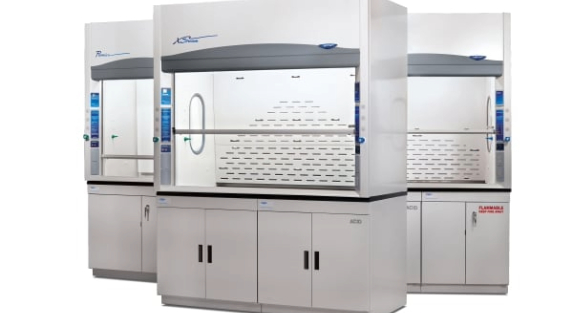

When it comes to creating a safe and compliant laboratory environment, nothing plays a more critical role than Lab Chemical Storage Cabinets. These cabinets are essential for storing hazardous, flammable, corrosive, and reactive chemicals safely—protecting people, property, and the surrounding environment. But with so many types, materials, capacities, and compliance standards, how do you choose the right chemical storage cabinet for your lab?
In this article, we’ll break it down step-by-step to help you make the best decision.
1. Understanding the Purpose of Lab Chemical Storage Cabinets
Lab Chemical Storage Cabinets play an essential role in maintaining a safe, compliant, and well-organized laboratory environment. At their core, these cabinets are engineered to minimize the risks associated with storing hazardous chemicals—risks that include accidental spills, chemical reactions, inhalation exposures, and fire hazards. Laboratories of all sizes, whether industrial, academic, pharmaceutical, or research-based, depend on proper storage solutions to safeguard personnel and protect valuable equipment against chemical-related incidents.
A key purpose of these cabinets is containment. If a chemical bottle breaks or leaks, a high-quality chemical storage cabinet prevents the liquid from spreading onto benchtops, floors, or electrical systems. This significantly reduces the likelihood of slip hazards, cross-contamination, and equipment damage. Many cabinets come equipped with built-in spill trays or sumps that capture any accidental leakage.
Another major purpose is segregation. Chemical incompatibility is one of the leading causes of laboratory accidents. Certain chemicals—like acids and bases, oxidizers and organics, or flammables and corrosives—must be stored separately to prevent dangerous reactions. Lab Chemical Storage Cabinets provide a safe and organized system to segregate chemicals based on their hazard class, reducing the chance of unintended interactions.
Fire protection is also a core function. Flammable and combustible liquids pose a high risk in labs, especially when heat sources, electrical equipment, and open flames are present. Specialized fire-rated cabinets slow heat transfer and prevent chemicals from reaching their ignition temperature during a fire. This containment buys crucial time for emergency response teams to act.
Finally, these cabinets help labs stay compliant with OSHA, NFPA, and local regulatory requirements. Compliance reduces liability, increases laboratory accreditation potential, and ensures a professional operational environment. Without proper storage cabinets, laboratories risk regulatory fines, operational shutdowns, or severe safety violations.
2. Identifying the Types of Chemicals You Need to Store
Choosing the right storage solution begins with understanding your chemical inventory. Not all chemicals require the same storage conditions, and selecting the wrong type of cabinet can lead to safety risks or compliance issues. The first step is to categorize your chemicals by hazard class—flammable, corrosive, toxic, reactive, oxidizing, or general-purpose. Each group has specific storage requirements that influence the type of Lab Chemical Storage Cabinet you should select.
Flammable liquids, such as solvents, alcohols, and fuel derivatives, require flammable liquid storage cabinets that comply with OSHA 29 CFR 1910.106 and NFPA 30 standards. These cabinets are typically double-walled steel structures with insulating air gaps and fire-resistant seals. Their purpose is to reduce fire risk by shielding chemicals from ignition sources and containing heat during an emergency.
Corrosive chemicals—including strong acids like hydrochloric acid and bases like sodium hydroxide—need special corrosion-resistant cabinets. These are often constructed from polypropylene, polyethylene, or epoxy-coated steel. Inside, shelving is designed to prevent corrosion and resist chemical fumes. Separate cabinets may be needed for acids and bases, depending on your chemical compatibility rules.
Toxic chemicals, which pose inhalation or exposure risks, require cabinets that limit fume escape while offering secure locking mechanisms. Some models include ventilation ports, while others rely on natural containment.
Reactive chemicals such as peroxides, nitrates, or water-reactive substances must be stored away from heat, sunlight, and incompatible materials. These require specialized storage environments that minimize physical disturbances and prevent moisture intrusion.
General-purpose chemicals—non-flammable, non-corrosive reagents—can be stored in basic chemical cabinets. However, they must still follow segregation rules.
By evaluating your chemical inventory and understanding the hazards associated with each category, you ensure that the chosen storage cabinet supports safe handling, reduces accident risks, and maintains regulatory compliance. Proper chemical classification is the foundation of safe storage.
3. Understanding Chemical Compatibility and Segregation
Chemical compatibility is one of the most important considerations when selecting Lab Chemical Storage Cabinets. Improper segregation can lead to dangerous reactions, fires, toxic gas release, and even explosions. The goal is simple: prevent incompatible chemicals from ever coming into contact with one another—whether through leaks, fumes, or accidental mixing.
To begin, segregate chemicals based on key incompatibility groups. Acids must always be separated from bases, as mixing the two produces violent reactions and heat. Strong oxidizers such as nitric acid or potassium permanganate must be stored away from organic materials, solvents, and flammable substances. Reactive metals like sodium or potassium must be isolated from water because they produce explosive hydrogen gas upon contact.
Color-coded or clearly labeled cabinets help maintain segregation. Many labs use yellow for flammables, blue for corrosives, red for combustible materials, and white for acids. This visual coding prevents accidental misplacement and helps new staff navigate storage rules safely.
Another critical compatibility rule involves ventilation. Some chemicals release vapors that may react with other vapors nearby, even without direct contact. For example, acids may corrode metal containers or react with solvent fumes. Ventilated cabinets or independent storage units minimize the risks associated with vapor accumulation.
Compatibility charts provided by OSHA, NFPA, or chemical suppliers should guide your segregation decisions. These charts list which chemical classes can and cannot be stored together. Even within the same class, some chemicals—such as concentrated sulfuric acid—require additional precautions.
Proper segregation reduces liabilities, prevents emergencies, and ensures that even in the event of a spill or leak, chemicals remain safely contained. Choosing a cabinet that supports clear segregation—either through internal compartments or separate units—enhances overall laboratory safety. Good segregation practices are not just regulatory requirements; they are essential for responsible chemical management.
4. Compliance and Safety Standards for Chemical Storage Cabinets
Regulatory compliance is essential when choosing Lab Chemical Storage Cabinets. Government and industry standards dictate how chemicals must be stored to prevent accidents, control hazards, and maintain safe laboratory operations. Selecting a cabinet that meets the required standards ensures you remain compliant with OSHA, NFPA, EPA, and local fire authorities.
For flammable liquids, OSHA standard 29 CFR 1910.106 outlines specific requirements for cabinet construction, capacity limits, ventilation, and labeling. NFPA 30 and NFPA 45 further define fire safety guidelines, including maximum allowable quantities, flame resistance, and emergency response expectations. A compliant cabinet must have double-walled steel construction, self-closing or self-latching doors, proper labeling, and a fire-resistant design capable of withstanding high temperatures.
Corrosive chemical storage is governed by SEFA (Scientific Equipment and Furniture Association) and ANSI standards. These guidelines specify corrosion-resistant materials, fume containment capabilities, and spill management features. Cabinets storing acids or bases must prevent metal degradation and chemical vapor leakage.
Toxic and reactive chemical storage requires enhanced security, proper sealing, and sometimes mechanical or ducted ventilation systems. Some jurisdictions require keyed or coded locks for high-hazard substances.
Local fire marshals may issue additional requirements regarding cabinet placement, maximum cabinet quantities per room, and spacing relative to heat sources. Some regions mandate that flammable cabinets be grounded to eliminate static electricity hazards.
Labeling is also a compliance essential. Each cabinet must display hazard warnings, chemical classes, and fire safety symbols. Many manufacturers offer cabinets with factory-applied labels that meet OSHA’s GHS (Globally Harmonized System) style.
Selecting a cabinet that meets recognized safety standards not only protects staff and facilities but also reduces legal risks and enhances audit readiness. A compliant cabinet signals professionalism, responsibility, and adherence to global safety best practices—critical elements in any laboratory environment.
5. Evaluating Material and Build Quality
The material and construction quality of Lab Chemical Storage Cabinets directly impact their safety, durability, and resistance to chemical exposure. Selecting the right material depends on the type of chemicals you need to store, environmental conditions, and long-term usage expectations.
Steel is the most common material for flammable storage cabinets. Heavy-gauge steel, typically double-walled with an insulating air gap, offers excellent fire resistance. Powder-coated finishes add corrosion protection and extend the cabinet’s lifespan. Steel cabinets also provide structural stability, heat protection, and enhanced security with robust locking mechanisms.
For corrosive chemicals, especially acids and alkalis, polypropylene or polyethylene cabinets are preferred. These materials resist chemical degradation, prevent corrosive fumes from causing rust, and protect shelves from damage. Poly cabinets are often seamless, helping prevent leaks and ensuring long-term durability.
Stainless steel cabinets are ideal for reactive chemicals or environments where moisture is a concern. Their resistance to oxidation, high temperatures, and chemical attack makes them suitable for advanced laboratories and industrial applications.
Regardless of the material, good build quality includes welded (not riveted) construction, secure hinges, adjustable shelves, spill trays, and reinforced door seals. A well-designed cabinet distributes weight evenly, reduces wobbling, and prevents tipping.
The interior design also matters. Spill-containment sumps at the base capture accidental leaks. Vent ports accommodate optional ventilation systems. Smooth interior surfaces allow easy cleaning, minimizing contamination risks.
High-quality cabinets undergo rigorous testing, including fire resistance tests, corrosion resistance evaluations, and load-bearing assessments. Investing in premium materials ensures long-term performance, minimizes maintenance, and supports regulatory compliance. A strong and durable chemical storage cabinet not only improves safety but also enhances operational efficiency and protects valuable chemical inventories.
6. Understanding Ventilation Requirements in Chemical Storage Cabinets
Ventilation plays a crucial role in the safe operation of Lab Chemical Storage Cabinets, particularly when dealing with chemicals that release vapors, fumes, or gases. Not all cabinets require ventilation, but for certain chemicals—especially corrosives, toxics, and volatile substances—proper ventilation greatly reduces exposure risks and enhances overall laboratory air quality.
Ventilation helps prevent the buildup of hazardous vapors inside the cabinet. Without adequate airflow, chemical fumes may accumulate and create pressure that can compromise containers, corrode metal shelves, or escape into the lab once the cabinet is opened. In severe cases, vapor buildup can contribute to fire risks or chemical reactions if incompatible vapors mix.
Most chemical storage cabinets include vent ports that can be connected to external ductwork. Ducted systems channel fumes outside the building, ensuring harmful vapors never circulate in the laboratory. However, ducted ventilation must follow strict local building and fire codes—improper installation can void the cabinet’s fire-resistance rating or violate safety regulations.
An alternative option is ductless filtration systems. These systems use activated carbon or specialty filters to capture chemical vapors before releasing air back into the lab. Ductless ventilation offers flexibility, reduces installation costs, and avoids structural modifications, making it popular in modern laboratory environments.
It’s important to note that flammable liquid cabinets typically do not require ventilation. In fact, NFPA and OSHA guidelines state that flammable cabinets should only be ventilated if mandated by local authorities. Venting flammable cabinets must be done carefully to avoid lowering their fire resistance.
Before installing any ventilation system, consult safety officers, chemical compatibility charts, and local regulations. A properly ventilated chemical storage cabinet enhances safety, reduces wear on cabinet materials, and provides an additional layer of protection for laboratory personnel. Making the right ventilation choice ensures your storage solution supports long-term safety and compliance.
7. Choosing the Right Size and Capacity for Your Cabinet
Selecting the appropriate size and capacity for Lab Chemical Storage Cabinets is essential for maintaining an efficient, safe, and well-organized laboratory. Size is not just about fitting chemicals—it impacts compliance, workflow, and the ease of chemical segregation. Choosing the wrong size can lead to overcrowding, improper storage, or purchasing multiple cabinets unnecessarily.
The first step is assessing your chemical inventory. Create a detailed list that includes current chemicals, expected future additions, waste chemicals, and frequently used substances. This helps you estimate the minimum storage volume required. Always allow additional space for growth—chemistry and research frequently evolve, and so do chemical storage needs.
Consider cabinet placement when choosing size. Under-counter cabinets are space-saving options ideal for small labs or high-traffic areas. Wall-mounted cabinets keep frequently used chemicals within reach but must follow weight and mounting guidelines. Tall, stand-alone cabinets offer maximum storage for larger chemical inventories and are excellent for central storage rooms.
Capacity limits must also align with safety regulations. Flammable chemical cabinets, for example, have strict quantity limits depending on their location within the lab. Overloading these cabinets is both unsafe and non-compliant. Always check your local safety codes for allowable quantities per cabinet and per room.
Internal configuration matters too. Adjustable shelves allow customization based on bottle size, while separate compartments help segregate incompatible chemicals. Spill containment trays at the base add safety and should be factored in when estimating usable capacity.
Cabinets that are too large may waste space and budget, while undersized cabinets lead to unsafe storage habits like overcrowding or storing chemicals outside approved units. The ideal choice balances practical space usage, regulatory compliance, and expected future needs. The right size supports efficient workflow, safe handling, and proper chemical organization throughout your facility.
8. Evaluating Additional Safety Features in Chemical Storage Cabinets
Modern Lab Chemical Storage Cabinets come equipped with advanced safety features designed to minimize risks and support compliance with stringent laboratory safety standards. These features not only enhance cabinet functionality but also provide an additional layer of protection for staff and materials.
One of the essential features is self-closing or self-latching doors. These ensure that even if someone forgets to close the cabinet, the doors automatically secure themselves, maintaining containment and preserving fire resistance. Double-walled construction with insulation provides added thermal protection, helping maintain cabinet integrity during fire emergencies.
Locking systems are another crucial safety feature. High-security locks, coded access systems, and automatic locking mechanisms prevent unauthorized access to hazardous chemicals. Such features are especially important in academic institutions, shared laboratories, and facilities where controlled substances or toxic chemicals are stored.
Leak-proof sumps located at the bottom of the cabinet capture accidental spills and prevent chemical spread. Combined with corrosion-resistant shelves and internal liners, these spill containment systems protect both the user and the cabinet’s structure.
Ventilation-ready designs, including pre-fitted vent ports with flame arrestors, ensure safer integration with ducted or ductless ventilation systems. Alarm systems and monitoring devices are increasingly common in high-end cabinets. These may track internal temperature, humidity levels, tampering, or door-open duration—helping maintain optimal storage conditions.
Some advanced cabinets incorporate smart technology, allowing remote monitoring via connected software. Alerts for leaks, unauthorized access, or environmental changes enhance safety and support proactive maintenance.
Anti-tip mechanisms, rounded corners, chemical-resistant finishes, and heavy-duty leveling feet further contribute to operational safety.
When evaluating safety features, consider your chemical types, lab workflow, and regulatory requirements. A well-equipped chemical storage cabinet strengthens your overall safety program, reduces risk exposure, and ensures proper chemical handling practices across your laboratory.
9. Budget and Long-Term Value Considerations
Budget plays a significant role in choosing Lab Chemical Storage Cabinets, but cost should never be the sole deciding factor—especially when dealing with hazardous materials. Instead, focus on overall value, long-term performance, and total cost of ownership. Cheaper cabinets may save money upfront, but they often lack durability, safety features, and regulatory compliance, which could lead to costly incidents or legal consequences.
Start by evaluating the minimum requirements needed for your lab’s safety and regulatory compliance. For instance, if you store flammable chemicals, investing in a compliant, fire-rated cabinet is non-negotiable. If you store corrosives, a polypropylene or corrosion-resistant model is essential. Cutting corners in these areas can result in expensive fines, lab shutdowns, or dangerous accidents.
Next, assess durability. High-quality cabinets constructed from double-walled steel, stainless steel, or chemical-resistant polymers offer longer lifespans and lower maintenance costs. Look for reinforced shelving, welded seams, powder-coating, and corrosion-resistant hardware. A durable cabinet reduces the need for repairs or replacements.
Consider long-term operating costs as well. Ventilated cabinets may require ductwork installation or filter replacement, which adds recurring expenses. However, for toxic or highly volatile chemicals, this investment delivers significant safety benefits.
Warranty and customer support also contribute to long-term value. Reliable manufacturers offer multi-year warranties, replacement parts, and professional guidance, lowering downtime and increasing confidence in your safety infrastructure.
Finally, evaluate scalability. If your lab is expanding, it may be more cost-effective to purchase modular cabinets or larger units now rather than upgrading repeatedly.
When balancing budget and value, think of chemical storage cabinets as a safety investment—not a simple equipment purchase. Prioritizing quality and compliance ensures long-term savings, stronger safety performance, and protection for your personnel and property.
10. Choosing a Reliable Supplier or Manufacturer
Selecting a reliable supplier is crucial when purchasing Lab Chemical Storage Cabinets, as quality, compliance, and safety depend heavily on the manufacturer’s expertise. A reputable supplier ensures that your cabinet meets regulatory standards, offers durable construction, and provides long-term support.
Start by researching suppliers with strong industry reputations. Look for those specializing in laboratory safety equipment or chemical storage solutions rather than general furniture or industrial goods. Experienced suppliers understand nuances like OSHA compliance, NFPA fire ratings, chemical compatibility, and optimal cabinet configurations.
Verify certifications. Trusted manufacturers ensure their products undergo thorough testing—fire resistance, corrosion testing, load-bearing analysis, and spill containment evaluation. Cabinets should come with documentation verifying compliance with OSHA, NFPA, SEFA, and ANSI standards.
Customer service is another major factor. Professional suppliers provide installation guidance, safety recommendations, and technical support. They also offer warranties, spare parts, and after-sales service, ensuring your cabinet performs well throughout its lifespan.
Customization options are also valuable. Some labs require specialized storage—high-security cabinets, ventilated solutions, temperature-controlled models, or cabinets with internal segregation systems. Reliable manufacturers offer customization to match your chemical inventory and workflow.
Review customer feedback and case studies. Positive testimonials from other labs, universities, or industrial clients provide confidence in product performance. Suppliers with transparent, detailed product information demonstrate commitment to quality.
Lead times and delivery options matter too. Reputable manufacturers maintain stock availability and ensure proper shipping methods to prevent damage during transport.
Choosing the right supplier is not just about the transaction—it’s about establishing a long-term partnership focused on safety, reliability, and compliance. A trusted supplier ensures your chemical storage cabinets meet operational demands, regulatory requirements, and long-term safety expectations.
Conclusion
Choosing the right Lab Chemical Storage Cabinet is one of the most important decisions any laboratory can make to ensure safety, compliance, and operational efficiency. Chemical storage is not simply about placing bottles on shelves—it requires thoughtful planning, strict adherence to regulations, and an understanding of each chemical’s unique hazards. The wrong storage choice can compromise safety, cause dangerous reactions, or result in regulatory violations. But the right cabinet creates a controlled, compliant environment that keeps both people and property protected.
Throughout this guide, we explored the critical factors that influence cabinet selection—from identifying the types of chemicals you handle to ensuring proper segregation, material selection, ventilation, size, and advanced safety features. Each element plays an essential role in creating a storage system that minimizes risks and enhances workflow. Investing in a high-quality cabinet is an investment in long-term safety, durability, and peace of mind. It ensures that spills are contained, vapors are controlled, chemicals are organized, and fire hazards are significantly reduced.
Equally important is choosing a reliable supplier or manufacturer. A trusted provider ensures that your cabinet meets global standards such as OSHA, NFPA, and SEFA, while offering support, customization, and warranties that guarantee long-term performance. Safety is not an area where compromises should be made, and dependable suppliers understand this better than anyone.
Ultimately, the right chemical storage cabinet supports a culture of safety within the laboratory. It empowers staff to handle chemicals confidently, reduces the likelihood of accidents, and helps organizations pass inspections and audits with ease. By carefully evaluating your storage needs and selecting cabinets tailored to those requirements, you create a secure, efficient, and compliant laboratory environment.
Whether you operate a research facility, industrial lab, educational institution, or medical lab, choosing the right chemical storage cabinet is a foundational step toward building a safer future.