
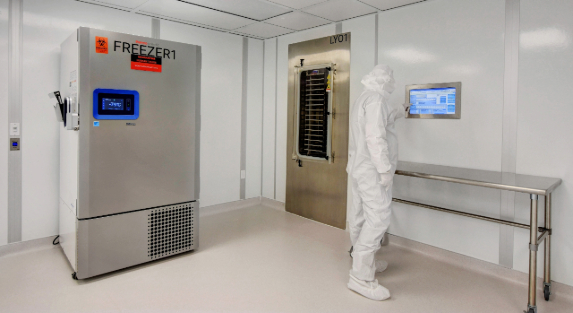
Choosing the right Cleanroom Environmental Monitoring System is critical for businesses that operate in controlled environments. Whether you are in pharmaceuticals, biotechnology, electronics, or food production, selecting a system that accurately monitors environmental conditions ensures product safety, regulatory compliance, and operational efficiency. This article explores the key factors to consider when choosing a cleanroom monitoring system and helps you make an informed decision.
Understanding Cleanroom Environmental Monitoring Systems
A Cleanroom Environmental Monitoring System (CEMS) is a specialized system designed to measure, track, and manage environmental parameters in controlled spaces. These parameters typically include temperature, humidity, airborne particulates, pressure differentials, and microbial contamination levels. Monitoring these factors is essential for maintaining the integrity of your cleanroom and ensuring that it meets stringent regulatory standards, such as ISO 14644, FDA, and GMP guidelines.
Cleanroom monitoring systems are not limited to just measuring conditions; they also provide real-time alerts, automated data logging, and reporting features. This allows facility managers and quality assurance teams to identify potential deviations before they compromise product quality or compliance. For example, even a minor variation in humidity or particulate levels in pharmaceutical cleanrooms can affect drug stability, while in semiconductor manufacturing, uncontrolled environmental conditions can ruin sensitive electronic components.
Modern monitoring systems also integrate with digital platforms, enabling remote supervision and automated compliance reporting. Many systems offer cloud-based monitoring dashboards, which allow stakeholders to track environmental data from multiple cleanrooms or sites simultaneously. Some advanced systems even incorporate predictive analytics, alerting teams to potential risks before deviations occur. Understanding the full capabilities of cleanroom monitoring systems is essential, as it forms the foundation for choosing a system that aligns with your operational and regulatory requirements.
Identifying Your Cleanroom Requirements
Before selecting a monitoring system, it is essential to clearly define your cleanroom’s specific needs. Not all cleanrooms operate under the same conditions, and different industries have unique requirements. First, consider regulatory compliance standards. ISO 14644-1 defines cleanroom classes based on particulate limits, while industry-specific standards may dictate microbial or environmental controls. Knowing which standards apply to your facility ensures you select a system capable of maintaining those conditions consistently.
Next, identify the critical environmental parameters that impact your operations. While temperature and humidity are common across most cleanrooms, some industries require additional monitoring. Pharmaceutical and biotech facilities, for instance, often need to track microbial contamination alongside air particulate levels. Electronics manufacturing may prioritize static control, airflow patterns, and particle size distribution. Understanding these critical parameters helps determine the sensors and monitoring technologies required for effective oversight.
Another factor is the classification and layout of your cleanroom. Higher-class cleanrooms, such as ISO Class 5 or Class 6, demand more precise and frequent monitoring than lower-class environments. The size and configuration of your facility also influence system design. Larger or multi-room setups may require distributed sensors and centralized data management to ensure complete coverage. Properly identifying these requirements will guide you in selecting a monitoring system that is both efficient and tailored to your cleanroom’s operational demands.
Manual vs. Automated Monitoring Systems
When choosing a cleanroom monitoring solution, one major decision is whether to use a manual or automated monitoring system. Manual monitoring systems involve periodic inspections using handheld instruments or spot-check devices. While they are typically more cost-effective initially, they rely heavily on human intervention and may be prone to errors, missed readings, or delays in reporting deviations.
Automated monitoring systems, on the other hand, provide continuous, real-time tracking of all critical parameters. These systems can instantly alert staff if environmental conditions fall outside acceptable ranges, reducing the risk of contamination or compliance issues. Automation also simplifies record-keeping, as all readings are logged electronically, which is essential for regulatory audits. In industries such as pharmaceuticals, biotechnology, and semiconductor manufacturing, automated monitoring is increasingly considered the standard due to its reliability and efficiency.
Another advantage of automated systems is integration with other facility management tools. Many modern solutions connect with building management systems, laboratory information management systems (LIMS), or cloud platforms, enabling centralized control, remote monitoring, and advanced data analytics. Automation also allows facilities to scale monitoring solutions as cleanrooms expand, adding sensors or integrating additional parameters without major overhauls. Choosing between manual and automated systems ultimately depends on your budget, cleanroom classification, and operational priorities, but for long-term efficiency and compliance, automated solutions are highly recommended.
Evaluating Sensor Technology
The heart of any Cleanroom Environmental Monitoring System is its sensors, as they directly determine the accuracy, reliability, and responsiveness of the system. When evaluating sensor technology, it is essential to focus on three primary factors: accuracy, durability, and data handling capability. Accuracy is critical because even slight deviations in temperature, humidity, or particle counts can compromise sensitive operations, whether in pharmaceuticals, biotechnology, or electronics. High-precision sensors provide reliable measurements within tight tolerances, ensuring that your cleanroom operates consistently within regulatory limits.
Durability is equally important, as sensors in cleanroom environments are often exposed to cleaning agents, sterilization processes, and constant airflow. Selecting sensors that are robust and able to maintain performance under these conditions minimizes maintenance issues and prolongs system life. Many modern cleanroom monitoring systems utilize sensors with self-calibration features, which further enhance reliability while reducing the burden on maintenance staff.
Another key consideration is data logging and communication capabilities. Sensors should seamlessly capture, store, and transmit data to centralized monitoring platforms. Real-time alerts for deviations, cloud connectivity, and compatibility with analytic software are essential for modern cleanrooms where continuous compliance and proactive decision-making are priorities. Some systems also incorporate multi-parameter sensors capable of measuring several environmental conditions simultaneously, reducing hardware complexity while providing comprehensive oversight.
Ultimately, choosing the right sensor technology involves balancing precision, durability, and connectivity. A system with high-quality, reliable sensors not only ensures regulatory compliance but also enhances operational efficiency, reduces downtime, and minimizes the risk of product contamination or loss. Investing in superior sensor technology is therefore a cornerstone of a robust cleanroom environmental monitoring strategy.
Integration with Data Management Systems
A robust Cleanroom Environmental Monitoring System is only as effective as its integration with data management platforms. Modern cleanroom monitoring systems do more than track temperature, humidity, or particulate levels—they provide actionable insights through centralized data collection, analysis, and reporting. Integration allows real-time monitoring, automated alerts, and seamless reporting, making compliance with ISO, GMP, and FDA regulations easier and more reliable.
Cloud-based monitoring solutions have become increasingly popular, as they enable remote supervision across multiple cleanrooms or even multiple sites. Facility managers can access dashboards, analyze trends, and respond to deviations from anywhere, reducing response times and minimizing potential contamination risks. Integrated systems can also generate automated reports for regulatory audits, eliminating time-consuming manual data entry while ensuring documentation accuracy.
Data management integration also supports predictive analytics. By analyzing historical environmental trends, systems can anticipate potential deviations, alerting staff before conditions reach critical levels. This proactive approach improves cleanroom reliability, reduces operational disruptions, and ensures consistent compliance.
Finally, seamless integration with other facility management tools, such as building management systems (BMS) or laboratory information management systems (LIMS), enhances overall operational efficiency. It allows for coordinated control over HVAC systems, airflow, and sterilization protocols based on real-time environmental data. By choosing a cleanroom monitoring system with advanced integration capabilities, organizations gain not only regulatory compliance but also actionable insights that optimize performance and safeguard sensitive operations.
Scalability and Flexibility
As cleanrooms grow or evolve, scalability and flexibility become critical when selecting a monitoring system. A system that cannot adapt to changing needs may result in costly upgrades or insufficient coverage. When evaluating Cleanroom Environmental Monitoring Systems, consider whether additional sensors can be easily added, whether new cleanroom spaces can be integrated, and whether the software can handle increased data volume without performance loss.
Flexible systems allow customization of alerts, reporting intervals, and monitored parameters. For example, in a pharmaceutical facility, one cleanroom may require tight control over particulate levels, while another may focus on humidity and temperature. A flexible system can be tailored to meet these distinct needs without requiring separate monitoring platforms.
Scalable solutions are particularly important for companies planning future expansion or diversification. Multi-site monitoring, modular sensor additions, and cloud-based analytics make it easier to maintain a consistent approach across all facilities. Additionally, integration with predictive maintenance and alert systems ensures that the monitoring system grows alongside operational demands, maintaining compliance and operational efficiency at every stage.
By prioritizing scalability and flexibility, organizations can protect their initial investment while ensuring long-term reliability. A well-chosen system can accommodate evolving industry requirements, regulatory changes, and technological advancements, providing peace of mind and consistent cleanroom performance.
Maintenance, Calibration, and Support
Even the most advanced cleanroom monitoring systems require regular maintenance and calibration to ensure accuracy and compliance. Proper maintenance involves routine checks, sensor calibration, software updates, and cleaning of hardware components to prevent errors caused by dust, moisture, or sensor degradation. Automated calibration features can reduce human error, but periodic manual verification is still recommended to maintain precision.
Support services are equally critical. Choose a provider that offers reliable technical support, on-site service, and troubleshooting assistance. In industries such as biotechnology and pharmaceuticals, timely support can prevent costly production delays or regulatory non-compliance. Comprehensive documentation and training resources for staff further enhance system usability and reduce operational risk.
Additionally, proactive maintenance plans, including scheduled inspections and calibration checks, extend the system’s lifespan and maintain consistent performance. Monitoring environmental parameters without proper upkeep can lead to inaccurate readings, potential contamination, and non-compliance with regulatory standards. A strong support and maintenance plan ensures that your cleanroom monitoring system operates at peak efficiency, delivering reliable data for compliance, safety, and operational decision-making.
Conclusion
Choosing the right Cleanroom Environmental Monitoring System is a complex yet essential decision for any facility requiring controlled environments. Key factors include understanding cleanroom requirements, selecting appropriate sensor technology, ensuring integration with data management systems, and prioritizing scalability, flexibility, and maintenance.
Investing in a high-quality, automated, and scalable monitoring system not only ensures compliance with ISO, FDA, and GMP standards but also enhances operational efficiency, minimizes contamination risk, and protects valuable products. A robust system provides real-time data, predictive insights, and reliable reporting, empowering organizations to maintain cleanroom integrity consistently.
Ultimately, the right monitoring system is not just a compliance tool—it is an integral part of operational strategy, ensuring that your facility operates safely, efficiently, and successfully. By carefully evaluating your options and prioritizing accuracy, scalability, and support, you can select a cleanroom environmental monitoring solution that meets both current and future needs.