
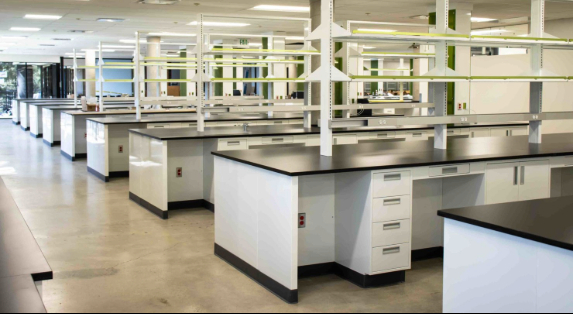
In contemporary scientific and industrial environments, laboratory design is no longer limited to aesthetics or space utilization alone. It is a strategic discipline that directly influences safety, efficiency, compliance, and research outcomes. At the core of this design ecosystem are Laboratory Benches—the primary work surfaces around which all laboratory activities revolve. From research and development to quality control and diagnostics, laboratory benches play a pivotal role in shaping how effectively a laboratory functions.
This article explores the importance of laboratory benches in modern lab design, highlighting their impact on workflow efficiency, safety, ergonomics, compliance, and long-term operational performance.
1. Role of Laboratory Benches in the Foundation of Modern Laboratories
Laboratory Benches form the physical and functional foundation of every modern laboratory. Regardless of whether a facility is dedicated to pharmaceutical research, biotechnology, education, diagnostics, or industrial testing, laboratory benches are the primary surfaces on which all critical activities are performed. Modern laboratories are designed around workflows, equipment placement, and safety protocols, and laboratory bench systems are central to aligning these elements effectively. Unlike conventional furniture, laboratory work benches are engineered to support specialized tasks that involve chemicals, sensitive instruments, heat, moisture, and repetitive operations.
In contemporary lab design, laboratory benches define how space is utilized and how efficiently tasks are executed. The placement, size, and configuration of lab benches directly influence movement patterns, collaboration, and access to essential tools and utilities. A well-designed laboratory bench layout enables seamless transitions between processes, reducing delays and minimizing errors. Conversely, poorly planned benches can disrupt workflow, compromise safety, and reduce productivity.
Modern laboratory benches are also designed to integrate seamlessly with other lab infrastructure such as fume hoods, storage units, sinks, and service carriers. This integration ensures that the laboratory operates as a cohesive system rather than a collection of isolated components. As laboratories continue to evolve to accommodate advanced technologies and higher performance expectations, laboratory benches remain a critical element in translating design intent into operational reality. Their importance lies not only in supporting daily tasks but also in shaping the overall efficiency, safety, and longevity of the laboratory environment.
2. Importance of Laboratory Benches in Workflow Efficiency and Productivity
Efficiency is a defining characteristic of modern laboratories, and Laboratory Benches play a decisive role in achieving it. Laboratory workflows are often complex, involving multiple steps, instruments, and personnel. Well-planned laboratory bench systems help streamline these processes by organizing workspaces logically and ensuring that tools, samples, and equipment are always within reach. This reduces unnecessary movement, saves time, and minimizes the risk of cross-contamination or procedural errors.
Different types of laboratory benches—such as wall benches, island benches, and peninsula benches—are strategically used to support specific workflows. For example, island laboratory benches promote collaboration in research and academic labs, while wall-mounted benches optimize space in compact facilities. When laboratory work benches are aligned with process sequences, technicians and researchers can perform tasks more efficiently and with greater accuracy.
Modern laboratory benches also support productivity by accommodating equipment integration and future expansion. Modular laboratory bench systems allow laboratories to adapt quickly to changing research needs, new instruments, or revised protocols. This flexibility prevents workflow disruptions and reduces downtime during reconfiguration. Additionally, organized bench layouts improve visibility and supervision, which is especially important in training environments and regulated laboratories.
By reducing clutter, improving accessibility, and supporting logical task flow, laboratory benches directly contribute to higher productivity levels. In high-performance lab environments where time, accuracy, and repeatability are critical, the role of laboratory benches in enhancing workflow efficiency cannot be overstated.
3. Laboratory Benches as a Critical Element of Laboratory Safety
Safety is one of the most important considerations in modern laboratory design, and Laboratory Benches are central to maintaining a safe working environment. Laboratories often involve hazardous chemicals, biological agents, sharp instruments, and high-temperature equipment. Laboratory bench systems are specifically designed to mitigate these risks through material selection, structural stability, and functional integration.
Modern laboratory benches are constructed using materials that offer resistance to chemicals, heat, moisture, and impact. Epoxy resin laboratory benches, phenolic resin bench tops, and stainless steel lab benches are commonly used to ensure durability and safety under demanding conditions. These materials help prevent surface degradation, chemical reactions, and accidental fires, thereby protecting both personnel and equipment.
In addition to material performance, laboratory benches support safety by enabling the integration of essential safety features. Sinks, eye-wash stations, spill containment edges, and fume hood interfaces are often built directly into laboratory work benches. This ensures immediate access to safety mechanisms during emergencies. Stable and well-anchored laboratory benches also prevent accidents caused by vibration, equipment movement, or structural failure.
Proper bench height, edge design, and spacing further contribute to accident prevention by reducing strain and improving user control during experiments. In regulated environments, laboratory benches must also support compliance with safety standards such as OSHA, ISO, and SEFA guidelines. By combining structural integrity, material resistance, and functional design, laboratory benches serve as a frontline defense against workplace hazards in modern laboratories.
4. Ergonomics and User Comfort in Laboratory Bench Design
Modern laboratory design increasingly prioritizes ergonomics, recognizing that user comfort directly impacts performance, accuracy, and long-term health. Laboratory Benches play a vital role in creating ergonomic work environments that reduce physical strain and support sustained productivity. Poorly designed laboratory work benches can lead to fatigue, repetitive stress injuries, and reduced focus, all of which negatively affect laboratory outcomes.
Ergonomic laboratory benches are designed with appropriate working heights, reach distances, and leg clearance to accommodate a wide range of users. Adjustable-height laboratory benches are particularly valuable in shared or multi-user labs, allowing each individual to customize the workspace according to their physical needs. This adaptability enhances comfort and reduces the risk of musculoskeletal disorders.
Modern laboratory bench systems also support ergonomic efficiency by organizing tools, equipment, and storage within easy reach. Integrated drawers, shelves, and overhead service carriers minimize unnecessary bending, stretching, or lifting. This is especially important in laboratories where technicians perform repetitive tasks over long periods.
In addition to physical comfort, ergonomic laboratory benches contribute to mental focus and accuracy. A comfortable and well-organized workspace reduces distractions and cognitive load, enabling researchers and technicians to concentrate fully on their work. In high-precision environments such as analytical and diagnostic labs, this can significantly improve data quality and reliability.
By incorporating ergonomic principles into laboratory bench design, modern labs can protect their workforce, improve efficiency, and foster a healthier, more productive working environment.
5. Compliance, Standards, and Regulatory Support Through Laboratory Benches
Compliance with regulatory standards is a critical requirement in modern laboratories, particularly in pharmaceutical, clinical, and biotechnology sectors. Laboratory Benches play a crucial role in supporting compliance with international and local regulations, including ISO, GMP, GLP, OSHA, and SEFA standards. The design, material selection, and configuration of laboratory bench systems must align with these requirements to ensure operational approval and audit readiness.
Modern laboratory benches are designed to facilitate cleanliness, contamination control, and easy maintenance. Smooth, non-porous bench surfaces prevent the accumulation of contaminants and allow for thorough cleaning and disinfection. This is especially important in cleanrooms, diagnostic labs, and GMP-compliant facilities. Stainless steel laboratory benches and epoxy resin work surfaces are commonly used to meet stringent hygiene standards.
Laboratory benches also support regulatory compliance by enabling proper zoning and segregation of activities. Dedicated bench areas for sample preparation, testing, and analysis help maintain process integrity and prevent cross-contamination. Integrated utilities such as gas, water, and electrical connections are designed to meet safety and validation requirements.
From an operational standpoint, compliant laboratory bench systems simplify inspections and audits by demonstrating adherence to recognized standards. Investing in well-designed laboratory benches reduces the risk of non-compliance, operational disruptions, and costly corrective actions, making them a strategic asset in regulated laboratory environments.
6. Long-Term Value and Strategic Importance of Laboratory Benches
While Laboratory Benches represent a significant initial investment, their long-term value makes them one of the most important components of modern lab design. High-quality laboratory bench systems are built for durability, adaptability, and sustained performance, offering substantial returns over their lifecycle. When designed and selected correctly, laboratory benches reduce maintenance costs, minimize downtime, and extend the operational life of the laboratory.
Modern laboratories must be adaptable to evolving research needs, technologies, and regulatory requirements. Modular laboratory benches allow for easy reconfiguration, expansion, and upgrades without major structural changes. This flexibility protects the initial investment and ensures that the laboratory remains future-ready. As research priorities shift, laboratory work benches can be modified to accommodate new equipment and workflows.
Laboratory benches also contribute to intangible benefits such as improved staff satisfaction, reduced injury rates, and enhanced institutional reputation. A well-designed laboratory environment reflects professionalism and operational excellence, which is particularly important in client-facing or collaborative research settings.
From a strategic perspective, laboratory benches are not merely functional fixtures but long-term assets that support productivity, safety, and compliance. Their importance in modern lab design lies in their ability to align operational efficiency with future growth, making them a cornerstone of sustainable laboratory infrastructure.
7. Importance of Material Selection in Laboratory Benches
Material selection is one of the most critical factors influencing the performance, safety, and longevity of Laboratory Benches. Modern laboratories operate under demanding conditions that expose work surfaces to chemicals, heat, moisture, abrasion, and heavy equipment. The choice of laboratory bench materials directly affects how well the bench performs under these stresses and how long it remains functional without degradation.
Epoxy resin laboratory benches are widely used in high-performance environments due to their exceptional chemical resistance, heat tolerance, and structural integrity. They are particularly suitable for pharmaceutical, chemical, and research laboratories where exposure to corrosive substances is frequent. Phenolic resin laboratory bench tops offer excellent moisture resistance and durability, making them ideal for educational and general-purpose labs. Stainless steel laboratory benches are preferred in cleanrooms, clinical laboratories, and food-testing environments because of their hygienic properties and ease of sterilization.
Selecting the wrong material can lead to surface damage, contamination risks, increased maintenance costs, and compromised safety. For example, porous or chemically reactive surfaces may absorb spills, creating long-term hazards and compliance issues. Modern laboratory bench systems are therefore designed with application-specific materials that align with operational needs and regulatory requirements.
Beyond performance, material selection also influences sustainability and lifecycle costs. Durable materials reduce the frequency of repairs and replacements, contributing to long-term cost efficiency. In modern lab design, thoughtful material selection ensures that laboratory benches remain reliable, safe, and compliant throughout their service life, reinforcing their strategic importance in laboratory infrastructure.
8. Flexibility and Modular Design of Modern Laboratory Benches
Modern laboratories must adapt continuously to evolving research objectives, technological advancements, and regulatory changes. Laboratory Benches designed with flexibility and modularity are essential to meeting these dynamic requirements. Unlike fixed, traditional workstations, modular laboratory bench systems allow laboratories to reconfigure layouts quickly and efficiently without extensive structural modifications.
Modular laboratory benches consist of interchangeable components such as frames, work surfaces, storage units, and service modules. This design approach enables laboratories to expand, downsize, or reorient workspaces based on changing project needs. For research and development labs, where experiments and equipment frequently change, modular laboratory benches provide unmatched adaptability.
Flexibility also supports scalability. As laboratories grow or diversify their operations, modular lab benches can be added or rearranged without disrupting existing workflows. This reduces downtime and protects the initial investment in laboratory infrastructure. In academic and training laboratories, modular benches allow instructors to redesign spaces for different teaching methods or class sizes.
From a design perspective, flexible laboratory bench systems support future-proofing. As new instruments, automation systems, and digital tools are introduced, laboratory benches can be modified to integrate these technologies seamlessly. This adaptability ensures that modern laboratory benches remain relevant and functional over time, reinforcing their importance in long-term lab planning and design.
9. Integration of Utilities and Technology with Laboratory Benches
In modern lab environments, Laboratory Benches serve as integrated workstations rather than standalone surfaces. The ability to incorporate utilities and technology directly into laboratory bench systems is a defining feature of contemporary lab design. Power supply, data connectivity, gas lines, water, drainage, and vacuum systems are all essential components that must be seamlessly integrated into laboratory work benches.
Integrated utility systems improve safety and efficiency by reducing clutter and eliminating the need for external extensions or temporary connections. Service carriers and utility panels mounted on or above laboratory benches ensure easy access while maintaining an organized workspace. This integration is particularly important in high-density labs where space optimization and safety are critical.
Technology integration is also becoming increasingly important. Modern laboratory benches are designed to support analytical instruments, digital monitoring systems, and automated equipment. Smart laboratory benches may include built-in sensors, data ports, and cable management systems that support advanced research and real-time data collection.
By centralizing utilities and technology within laboratory bench systems, modern labs achieve better organization, improved safety, and enhanced functionality. This integrated approach supports efficient operations while maintaining compliance with safety and regulatory standards, further emphasizing the strategic role of laboratory benches in modern lab design.
10. Space Optimization and Layout Planning Using Laboratory Benches
Efficient space utilization is a key objective in modern laboratory design, especially in facilities where space is limited or costly. Laboratory Benches play a crucial role in optimizing available space while maintaining functionality and safety. The layout and configuration of lab benches determine how effectively a laboratory accommodates personnel, equipment, and workflows.
Wall-mounted laboratory benches maximize usable floor space in smaller labs, while island benches provide centralized work areas in larger facilities. Peninsula laboratory benches offer a balance between accessibility and space efficiency. Strategic placement of laboratory work benches improves circulation, visibility, and supervision, which are essential for both safety and productivity.
Modern laboratory bench layouts are designed to support zoning and process flow. Separate bench areas for preparation, analysis, and storage help maintain organization and prevent cross-contamination. Space-efficient laboratory bench systems also incorporate vertical storage and overhead services, further enhancing functionality without increasing the lab’s footprint.
Through intelligent layout planning, laboratory benches help laboratories achieve higher efficiency, better safety, and improved operational flow. Their role in space optimization makes them a cornerstone of effective modern lab design.
11. Impact of Laboratory Benches on Long-Term Operational Efficiency
The influence of Laboratory Benches extends beyond daily operations to long-term laboratory performance. Well-designed laboratory bench systems contribute to reduced maintenance, fewer accidents, and improved equipment longevity. Stable and durable laboratory benches protect sensitive instruments from vibration and damage, ensuring consistent performance over time.
Operational efficiency is also enhanced through standardized bench designs that simplify training and maintenance. When laboratory benches are designed with uniform components and layouts, staff can work more confidently and efficiently across different lab areas. This consistency reduces errors and improves overall productivity.
High-quality laboratory benches also minimize downtime caused by repairs or replacements. Durable materials and robust construction ensure that lab benches withstand years of intensive use. Over time, this reliability translates into lower total cost of ownership and better return on investment.
By supporting safety, efficiency, and adaptability, laboratory benches play a strategic role in sustaining long-term operational excellence in modern laboratories.
12. Strategic Importance of Laboratory Benches in Future-Ready Lab Design
As laboratories continue to evolve, the strategic importance of Laboratory Benches becomes even more pronounced. Future-ready labs must support innovation, collaboration, automation, and sustainability. Modern laboratory bench systems are designed to align with these objectives by offering flexibility, durability, and technological integration.
Sustainable laboratory benches made from eco-friendly materials and designed for long service life contribute to environmentally responsible lab operations. Future-focused bench designs also support digital transformation, enabling seamless integration with smart lab technologies and automated workflows.
In collaborative research environments, laboratory benches are designed to encourage interaction while maintaining safety and efficiency. Open bench layouts and shared workspaces support interdisciplinary research and innovation.
Ultimately, laboratory benches are not just functional components but strategic assets that shape the future of laboratory design. Their importance lies in their ability to adapt, support innovation, and sustain high-performance operations in an increasingly complex laboratory landscape.
13. Sustainability and Environmental Considerations in Laboratory Benches
Sustainability has become a core principle of modern laboratory design, and Laboratory Benches play an increasingly important role in achieving environmentally responsible lab environments. Laboratories are traditionally resource-intensive spaces, consuming large amounts of materials, energy, and chemicals. Thoughtfully designed laboratory bench systems help reduce environmental impact while maintaining high performance and compliance standards.
Modern laboratory benches are now manufactured using sustainable materials, low-emission resins, and recyclable components. Durable bench materials such as epoxy resin and stainless steel reduce the need for frequent replacement, minimizing waste generation over the laboratory’s lifecycle. Modular laboratory benches further support sustainability by allowing reconfiguration and reuse instead of complete removal and disposal during renovations or expansions.
Laboratory benches also contribute indirectly to sustainability through efficient space planning and workflow optimization. Well-designed bench layouts reduce energy consumption by supporting efficient lighting, ventilation, and equipment placement. Integrated utilities within laboratory work benches help prevent leaks, reduce material waste, and improve overall operational efficiency.
From a regulatory and corporate responsibility perspective, sustainable laboratory benches align with green building standards and environmental certifications. Organizations increasingly view eco-friendly laboratory design as a reflection of their commitment to responsible science and long-term stewardship. By investing in sustainable laboratory bench systems, modern labs achieve a balance between performance, durability, and environmental responsibility, reinforcing the strategic importance of laboratory benches beyond immediate functionality.
14. Aesthetic and Professional Value of Laboratory Benches
While functionality and safety are paramount, aesthetics also play a meaningful role in modern laboratory design. Laboratory Benches contribute significantly to the visual identity and professional appeal of a laboratory. Clean, well-organized, and modern laboratory bench systems create environments that inspire confidence among researchers, clients, inspectors, and stakeholders.
Modern laboratory benches are available in a wide range of finishes, colors, and configurations that complement overall lab interiors. Sleek bench designs with integrated storage and concealed utilities reduce visual clutter and enhance the sense of order and precision. In research institutions, corporate laboratories, and client-facing facilities, this professional appearance reinforces credibility and brand reputation.
Aesthetically pleasing laboratory work benches also have a positive psychological impact on users. A clean, organized, and visually appealing workspace improves morale, focus, and job satisfaction. In high-pressure research environments, such factors can influence productivity and long-term staff retention.
Additionally, laboratory benches help establish visual zoning within labs, clearly distinguishing work areas, collaborative zones, and support spaces. This clarity improves navigation and operational efficiency while enhancing the overall design coherence. In modern lab design, laboratory benches serve not only as functional assets but also as architectural elements that elevate the laboratory’s professional image.
15. Economic Value and Return on Investment of Laboratory Benches
The financial impact of Laboratory Benches extends far beyond their initial purchase cost. In modern laboratories, laboratory bench systems represent a long-term investment that directly influences operational efficiency, maintenance expenses, and overall return on investment. High-quality laboratory benches are designed to withstand intensive daily use, reducing repair costs and extending service life.
Well-constructed laboratory work benches minimize downtime caused by surface damage, instability, or utility failures. This reliability ensures uninterrupted laboratory operations, which is particularly critical in commercial testing, pharmaceutical production, and research facilities where delays can be costly. Durable bench materials and modular designs also reduce the frequency and expense of renovations when lab requirements change.
From a workforce perspective, ergonomic and well-designed laboratory benches reduce injury-related costs, absenteeism, and productivity losses. Safer and more comfortable work environments contribute to higher efficiency and better employee retention, further enhancing economic value.
In regulated industries, compliant laboratory bench systems help avoid penalties, audit failures, and operational shutdowns. When evaluated across their full lifecycle, laboratory benches deliver measurable financial benefits through reduced maintenance, improved productivity, and long-term adaptability. Their role in supporting economic sustainability makes them a critical strategic investment in modern lab design.
16. Laboratory Benches as a Cornerstone of Modern Lab Design Strategy
In modern laboratory planning, Laboratory Benches are no longer treated as isolated furniture components but as integral elements of a comprehensive design strategy. They influence workflow, safety, compliance, adaptability, sustainability, and user experience. Every major design decision—from layout planning to technology integration—intersects with laboratory bench systems.
Laboratory benches act as the central platform around which instruments, personnel, and processes are organized. Their design determines how efficiently a laboratory operates today and how effectively it can adapt to future requirements. Modern lab design strategies increasingly emphasize flexibility, modularity, and long-term performance, all of which are embodied in advanced laboratory bench systems.
By aligning laboratory benches with operational goals, regulatory requirements, and future growth plans, organizations create laboratories that are resilient, efficient, and innovation-ready. Whether in research, healthcare, education, or industry, laboratory benches remain a defining factor in the success of modern laboratory environments.
17. Conclusion: The Enduring Importance of Laboratory Benches
The importance of Laboratory Benches in modern lab design is both fundamental and far-reaching. They shape how laboratories function, how safely personnel work, and how efficiently resources are utilized. From workflow optimization and safety assurance to compliance, sustainability, and long-term value, laboratory benches influence every aspect of laboratory performance.
As laboratories become more advanced and adaptable, the role of laboratory bench systems continues to expand. Investing in high-quality, well-designed laboratory benches is not merely a design choice but a strategic decision that supports operational excellence and future readiness.
In modern laboratories, laboratory benches are not just work surfaces—they are the backbone of effective, safe, and sustainable lab design.