
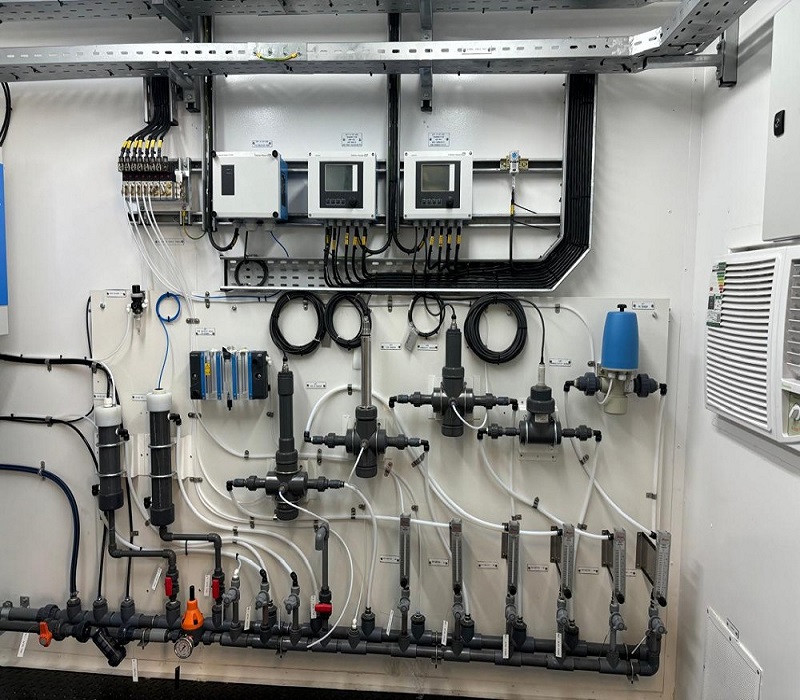
Laboratories operating in Saudi Arabia—across healthcare, pharmaceuticals, research, petrochemicals, and education—depend on highly reliable gas supply systems to ensure safety, accuracy, and uninterrupted operations. A well-engineered Laboratory Gas Distribution System forms the backbone of modern laboratory infrastructure, enabling precise delivery of gases such as oxygen, nitrogen, hydrogen, helium, carbon dioxide, and specialty gases. From conceptual design to final commissioning, lab gas installation services in Saudi Arabia demand strict adherence to international standards, local regulations, and best engineering practices.
Understanding the Role of a Laboratory Gas Distribution System
A Laboratory Gas Distribution System is a critical infrastructure component in modern laboratories, enabling the safe and controlled delivery of gases required for analytical, diagnostic, and research processes. In Saudi Arabia, laboratories operate across diverse sectors including healthcare, pharmaceuticals, petrochemicals, academic research, food testing, and industrial R&D. Each of these environments depends on uninterrupted gas supply to maintain accuracy, safety, and operational continuity.
Laboratory gas systems typically distribute gases such as oxygen, nitrogen, compressed air, hydrogen, helium, carbon dioxide, and specialty or calibration gases from centralized storage areas to individual points of use. These systems must maintain precise pressure levels, consistent flow rates, and high purity standards. Any fluctuation can compromise experimental outcomes or damage sensitive equipment.
Saudi Arabia’s climatic conditions further elevate the importance of robust system design. High ambient temperatures, large-scale facilities, and extended pipeline networks place additional stress on materials and joints. As a result, the Laboratory Gas Distribution System in Saudi Arabia must be engineered using heat-resistant materials, secure jointing techniques, and advanced monitoring systems.
Beyond functionality, safety remains paramount. Gas leaks, pressure failures, or cross-contamination pose serious risks to personnel and infrastructure. A well-designed system incorporates layered safety mechanisms, including isolation valves, alarms, and emergency shut-off controls.
Organizations such as Ziebaq approach laboratory gas projects with a holistic understanding of both technical and operational requirements. By treating the gas distribution network as a mission-critical system rather than a secondary utility, laboratories can achieve higher reliability, regulatory compliance, and long-term performance.
Design and Engineering of Laboratory Gas Systems
The design phase is the most influential stage in the lifecycle of a Laboratory Gas Distribution System. In Saudi Arabia, design engineering must address not only laboratory functionality but also safety regulations, environmental conditions, and future scalability. A poorly designed system can lead to inefficiencies, frequent maintenance issues, or costly retrofits.
Design begins with a detailed assessment of laboratory operations. Engineers analyze gas types, purity levels, consumption patterns, and simultaneous usage demands. This data determines pipe sizing, pressure regulation, and zoning strategies. Proper zoning ensures that gas supply can be isolated to specific areas without disrupting the entire facility.
Pipeline routing is carefully planned to minimize pressure drops, avoid contamination risks, and maintain accessibility for inspection and maintenance. Materials such as stainless steel or medical-grade copper are selected based on gas compatibility and purity requirements. Pressure regulators, control panels, and terminal units are specified to meet both operational and safety standards.
Risk assessment is an integral part of system design. Engineers identify potential hazards such as leaks, over-pressurization, or gas mixing and implement mitigation measures at the design stage. Alarm integration, emergency shut-off valves, and redundancy planning are incorporated to enhance system resilience.
Ziebaq emphasizes a design-led approach that aligns engineering precision with operational efficiency. By future-proofing the Laboratory Gas Distribution System, laboratories in Saudi Arabia can accommodate expansion, evolving research needs, and stricter regulatory requirements without major system overhauls.
Installation and System Integration in Saudi Laboratories
Once the design is finalized, the installation phase transforms engineering plans into a fully functional Laboratory Gas Distribution System. Installation in Saudi Arabia requires disciplined execution, as environmental conditions and large facility footprints can amplify minor errors if not properly managed.
Installation begins with precise pipework fabrication and routing. Pipes are installed using approved jointing and welding techniques to ensure leak-free connections. Strict cleanliness protocols are followed throughout the process to prevent contamination, especially for high-purity and specialty gas lines. Pipes are purged, capped, and protected until final connection.
Control panels, pressure regulators, flow meters, and terminal units are installed in accordance with the approved design. Proper labeling and color coding are applied to all pipelines and outlets to ensure clarity and safety during operation and maintenance. Integration with laboratory furniture, fume hoods, and analytical equipment is carefully coordinated to maintain workflow efficiency.
In large facilities, installation is often phased to align with construction schedules and minimize disruption. Each phase undergoes interim inspections and pressure testing to identify issues early. A professionally installed Laboratory Gas Distribution System ensures consistency, reliability, and compliance across all zones.
Ziebaq’s installation methodology prioritizes precision, documentation, and coordination with other building services. This structured approach ensures that laboratory gas systems in Saudi Arabia are not only technically sound but also seamlessly integrated into the overall laboratory environment.
Safety Features and Regulatory Compliance
Safety and compliance form the backbone of any Laboratory Gas Distribution System, particularly in high-risk laboratory environments. In Saudi Arabia, laboratory gas installations must comply with international standards such as ISO, NFPA, and HTM, as well as local civil defense and authority regulations.
Modern laboratory gas systems incorporate multiple layers of safety. Gas detection systems continuously monitor ambient conditions for leaks and trigger audible and visual alarms when thresholds are exceeded. Emergency shut-off valves automatically isolate affected zones to prevent escalation. Pressure relief devices protect pipelines and equipment from over-pressurization.
Compliance also requires proper documentation, labeling, and system validation. Gas lines must be clearly identified, and operating procedures must be accessible to laboratory staff. Backflow prevention and filtration systems protect gas purity and prevent cross-contamination.
Ziebaq integrates compliance into every stage of the project, ensuring that safety is not treated as an afterthought. By embedding regulatory requirements into design, installation, and testing processes, the Laboratory Gas Distribution System achieves both operational reliability and legal conformity.
A compliance-driven approach reduces risk, enhances staff confidence, and ensures uninterrupted laboratory operations. In a regulatory environment that continues to evolve, professionally installed systems provide long-term assurance and adaptability.
Testing, Commissioning, and System Validation
Commissioning is the final and most critical stage of lab gas installation services. During commissioning, the Laboratory Gas Distribution System is rigorously tested to confirm that it performs exactly as designed and complies with all safety and operational standards.
Testing begins with pressure and leak tests across all pipelines. Flow rates and pressure stability are measured at each terminal point to ensure consistency. Alarm systems, gas detectors, and emergency shut-off mechanisms are tested under simulated fault conditions to verify response accuracy.
System validation also includes functional testing of control panels, regulators, and monitoring interfaces. Any deviations are corrected before final approval. Detailed commissioning reports, as-built drawings, and operating manuals are prepared as part of the handover process.
Training sessions are often conducted to educate laboratory staff on system operation, safety protocols, and emergency procedures. This knowledge transfer ensures that users understand how to operate the Laboratory Gas Distribution System safely and efficiently.
Ziebaq treats commissioning as a quality assurance milestone, ensuring that every system delivered in Saudi Arabia meets the highest standards of reliability, safety, and performance. Proper commissioning minimizes post-installation issues and extends system lifespan.
Long-Term Value of Professional Lab Gas Installation Services
A professionally designed, installed, and commissioned Laboratory Gas Distribution System delivers significant long-term benefits. Reliable gas supply enhances laboratory productivity, protects sensitive equipment, and ensures consistent research outcomes. Efficient systems also reduce maintenance costs and operational disruptions.
From a safety perspective, advanced monitoring and control systems reduce accident risks and improve emergency response. Regulatory compliance protects organizations from penalties and reinforces institutional credibility.
In Saudi Arabia’s rapidly expanding research, healthcare, and industrial sectors, investing in expert lab gas installation services is a strategic decision. Ziebaq’s end-to-end approach—from design to commissioning—ensures that laboratories receive systems built for performance, scalability, and compliance.
Ultimately, a high-quality Laboratory Gas Distribution System is not just an infrastructure component; it is a long-term asset that supports innovation, safety, and operational excellence.
Maintenance and Lifecycle Management of Laboratory Gas Distribution Systems
A Laboratory Gas Distribution System does not end at commissioning; its long-term reliability depends on structured maintenance and lifecycle management. In Saudi Arabia’s laboratory environments—where high temperatures, continuous operation, and strict safety expectations prevail—proactive maintenance is essential to sustain performance and compliance.
Routine maintenance activities include inspection of pipelines, joints, valves, and terminal units for leaks, corrosion, or wear. Filters and regulators must be checked regularly to ensure gas purity and stable pressure delivery. Gas detection sensors and alarm systems also require periodic calibration to maintain accurate response levels. Without scheduled maintenance, even well-installed systems can experience gradual degradation that compromises safety and efficiency.
Lifecycle management also involves monitoring system performance data. Modern Laboratory Gas Distribution Systems often include digital monitoring interfaces that provide insights into gas consumption, pressure trends, and fault events. This data enables predictive maintenance, allowing issues to be addressed before they escalate into system failures or downtime.
Ziebaq emphasizes structured maintenance programs tailored to the operational profile of each laboratory. Maintenance schedules are aligned with regulatory requirements and manufacturer recommendations, ensuring ongoing compliance with safety standards. Documentation of inspections, test results, and corrective actions forms an essential part of audit readiness.
Effective lifecycle management extends system lifespan, reduces unplanned shutdowns, and protects capital investment. In Saudi Arabia’s rapidly expanding research and industrial ecosystem, laboratories that prioritize maintenance gain operational stability and long-term cost efficiency. A professionally maintained Laboratory Gas Distribution System remains a dependable asset throughout its service life.
Scalability and Future-Proofing Laboratory Gas Infrastructure
Scalability is a critical consideration in modern laboratory design, particularly in Saudi Arabia where research, healthcare, and industrial facilities are expanding rapidly. A future-ready Laboratory Gas Distribution System is designed not only for current operational needs but also for anticipated growth and technological advancement.
Future-proofing begins at the design stage with allowance for additional gas lines, spare capacity in pipelines, and modular control panels. This approach enables laboratories to introduce new equipment, additional workstations, or new gas types without disrupting existing operations. Zoning strategies further support scalability by allowing individual areas to be expanded or modified independently.
Technological evolution also influences future-proofing. Integration with digital monitoring systems, building management systems, and automation platforms ensures that the Laboratory Gas Distribution System can adapt to smart laboratory environments. These integrations enhance visibility, control, and data-driven decision-making.
Ziebaq designs systems with scalability as a core principle, recognizing that laboratories rarely remain static. By incorporating redundancy, modular components, and standardized interfaces, Ziebaq enables clients in Saudi Arabia to scale operations efficiently and cost-effectively.
Future-proofed systems reduce the need for costly retrofits and minimize operational disruption during expansion. For organizations operating in competitive research and industrial sectors, a scalable Laboratory Gas Distribution System provides strategic flexibility and supports long-term innovation objectives.
Why End-to-End Lab Gas Installation Services Matter
End-to-end lab gas installation services offer a unified approach that significantly enhances project outcomes. Managing design, installation, testing, and commissioning under a single framework ensures consistency, accountability, and technical alignment throughout the project lifecycle. For Laboratory Gas Distribution Systems in Saudi Arabia, this integrated approach is particularly valuable due to regulatory complexity and high safety expectations.
When multiple vendors handle different phases, coordination gaps can lead to design conflicts, installation errors, or delayed approvals. End-to-end service providers eliminate these risks by maintaining continuity from concept to commissioning. Design intent is preserved during installation, and commissioning validates performance against original specifications.
Ziebaq delivers comprehensive lab gas installation services that align engineering precision with operational realities. This approach simplifies project management for clients while ensuring that every system component works cohesively. Documentation, compliance verification, and training are integrated into the service scope, providing a seamless handover experience.
For laboratories in Saudi Arabia, where timelines, safety, and regulatory compliance are critical, end-to-end delivery ensures reliability and peace of mind. A fully integrated Laboratory Gas Distribution System installed by a single expert provider delivers superior performance, reduced risk, and long-term operational confidence.
Conclusion: Delivering Safe and Reliable Laboratory Gas Systems in Saudi Arabia
A well-engineered Laboratory Gas Distribution System is fundamental to the safe and efficient operation of modern laboratories. In Saudi Arabia’s demanding operational and regulatory environment, lab gas installation services must go beyond basic infrastructure delivery to encompass safety, scalability, and long-term performance.
From detailed design and precision installation to rigorous commissioning and ongoing maintenance, each phase contributes to system reliability and compliance. Advanced safety features, digital monitoring, and future-ready engineering ensure that laboratory gas systems support both current operations and future growth.
Ziebaq’s end-to-end approach to lab gas installation services demonstrates how technical expertise, regulatory alignment, and lifecycle planning come together to deliver world-class laboratory infrastructure. By investing in professionally designed and commissioned Laboratory Gas Distribution Systems, laboratories in Saudi Arabia secure operational continuity, protect personnel, and enable innovation with confidence.