
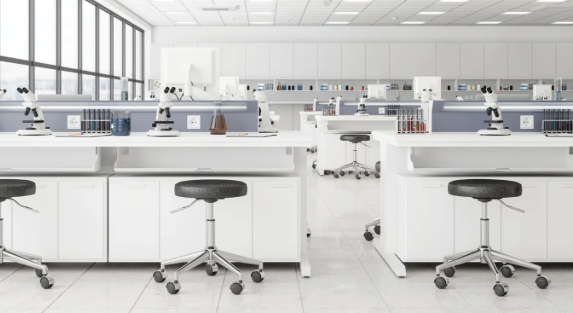
Introduction: Why Laboratory Furniture Is Central to Safety and Compliance
In any modern laboratory environment, safety and compliance are not limited to protocols, training manuals, or personal protective equipment alone. A critical yet often underestimated component is Laboratory Furniture & Solutions, which form the physical foundation of laboratory operations. Laboratory furniture directly affects how safely experiments are conducted, how efficiently workflows are managed, and how well a facility complies with regulatory and accreditation requirements. From research laboratories and diagnostic centers to pharmaceutical and educational labs, furniture choices influence everything from chemical handling to contamination control.
Poorly designed or low-quality laboratory furniture can increase the risk of chemical spills, ergonomic injuries, fire hazards, and cross-contamination. In contrast, well-planned laboratory furniture solutions promote safer work practices, reduce operational risks, and support adherence to national and international standards such as ISO, OSHA, SEFA, NABL, and GMP. As laboratories become more complex and regulated, the role of furniture has evolved from being a basic infrastructure element to a strategic compliance enabler.
Modern Laboratory Furniture & Solutions are engineered to integrate safety, durability, flexibility, and regulatory alignment. This includes the use of chemical-resistant materials, fire-retardant finishes, ergonomic designs, and modular layouts that support efficient movement and emergency access. Leading providers like Ziebaq approach laboratory furniture not as standalone products but as integrated safety systems designed to support long-term compliance and operational excellence.
This article explores how laboratory furniture contributes to safety and compliance, examining key aspects such as material selection, ergonomics, fire safety, storage, layout planning, and customization. Understanding these elements helps laboratories make informed decisions that protect personnel, safeguard experiments, and meet stringent regulatory expectations.
Chemical Resistance and Material Selection for Safe Laboratory Operations
One of the most critical roles of Laboratory Furniture & Solutions in ensuring safety is the selection of appropriate materials that can withstand harsh laboratory conditions. Laboratories routinely work with corrosive chemicals, solvents, acids, and reactive substances that can degrade ordinary surfaces. If furniture materials are not chemically resistant, they can corrode, crack, or absorb hazardous substances, leading to contamination, structural failure, and serious safety risks.
High-quality laboratory furniture is typically manufactured using materials such as phenolic resin, epoxy-coated steel, stainless steel, or compact laminate. These materials are specifically chosen for their resistance to chemicals, moisture, heat, and microbial growth. Chemical-resistant worktops prevent spills from penetrating surfaces, making them easier to clean and safer for repeated use. This directly supports compliance with laboratory safety standards and reduces the likelihood of chemical exposure incidents.
From a compliance perspective, regulatory bodies often assess furniture materials during audits and inspections. Non-compliant materials can result in failed inspections or costly retrofits. Well-designed Laboratory Furniture & Solutions ensure that surfaces meet prescribed standards for chemical resistance, hygiene, and durability. This is particularly important in pharmaceutical, diagnostic, and food-testing laboratories where contamination control is strictly regulated.
Ziebaq emphasizes material integrity in its laboratory furniture solutions, ensuring that each component is selected based on the specific operational and regulatory requirements of the laboratory. By aligning material selection with safety standards, Ziebaq helps laboratories maintain a secure working environment while meeting long-term compliance goals. Ultimately, investing in chemically resistant laboratory furniture is not just about durability—it is about protecting people, processes, and regulatory standing.
Ergonomic Laboratory Furniture and Occupational Safety Compliance
Ergonomics is a vital yet frequently overlooked aspect of laboratory safety and compliance. Laboratory personnel often spend long hours standing, sitting, pipetting, analyzing samples, or working at benches. Poorly designed furniture can lead to repetitive strain injuries, musculoskeletal disorders, fatigue, and reduced productivity. Modern Laboratory Furniture & Solutions address these challenges by integrating ergonomic principles that protect users while ensuring compliance with occupational health and safety regulations.
Ergonomic laboratory furniture includes adjustable-height workbenches, properly positioned shelving, adequate legroom, and seating designed to support posture during extended tasks. These features reduce physical strain and help laboratories comply with workplace safety guidelines mandated by occupational health authorities. Compliance is not only about avoiding accidents but also about minimizing long-term health risks for laboratory staff.
From a regulatory standpoint, many safety audits now consider ergonomic factors as part of overall risk assessment. Laboratories that fail to provide ergonomically suitable furniture may face non-compliance issues or increased liability related to workplace injuries. Well-planned Laboratory Furniture & Solutions help organizations demonstrate a proactive commitment to employee well-being and regulatory adherence.
Ziebaq incorporates ergonomic design as a core element of its laboratory furniture solutions. By analyzing workflow patterns and user requirements, Ziebaq delivers furniture layouts that reduce unnecessary movement, improve comfort, and enhance efficiency. This approach not only improves daily operations but also strengthens compliance with occupational safety standards. In the long run, ergonomic laboratory furniture contributes to healthier staff, fewer injuries, and a more compliant laboratory environment.
Fire Safety, Heat Resistance, and Regulatory Compliance
Fire safety is a critical component of laboratory risk management, particularly in facilities handling flammable chemicals, gases, or high-temperature processes. Laboratory Furniture & Solutions play a direct role in minimizing fire hazards and supporting compliance with fire safety regulations. Furniture constructed with fire-retardant materials and heat-resistant finishes significantly reduces the risk of fire spread and structural damage during emergencies.
Laboratory furniture must be designed to withstand accidental exposure to heat, open flames, or electrical faults. Fire-resistant cabinets, heat-tolerant worktops, and proper spacing between furniture units help maintain safe operating conditions. Compliance standards often require laboratories to demonstrate that their infrastructure—including furniture—supports fire prevention and emergency response measures.
In addition to material selection, furniture layout also impacts fire safety compliance. Clear aisles, unobstructed exits, and strategic placement of fire safety equipment are essential. Poor furniture planning can block evacuation routes or restrict access to safety systems, leading to serious compliance violations. Modern Laboratory Furniture & Solutions address these concerns through intelligent design and layout optimization.
Ziebaq integrates fire safety considerations into its laboratory furniture designs, ensuring alignment with applicable fire codes and safety standards. By combining fire-resistant materials with compliant layouts, Ziebaq helps laboratories reduce risks while meeting regulatory expectations. Effective fire-safe laboratory furniture not only protects assets and personnel but also demonstrates a laboratory’s commitment to comprehensive safety and compliance management.
Storage, Hazard Segregation, and Compliance Requirements
Proper storage of chemicals, biological samples, and hazardous materials is a fundamental requirement in laboratory compliance. Inadequate storage solutions can lead to spills, cross-contamination, exposure risks, and regulatory penalties. Laboratory Furniture & Solutions such as safety cabinets, ventilated storage units, and dedicated chemical cupboards are essential for meeting these compliance demands.
Regulatory authorities require laboratories to segregate incompatible chemicals, label storage areas clearly, and restrict access to hazardous substances. Specialized laboratory furniture enables this segregation by providing purpose-built storage for acids, flammables, toxic substances, and biological samples. These solutions reduce the risk of accidental reactions and ensure controlled access.
Ziebaq offers laboratory furniture solutions designed to meet strict storage and segregation requirements. By customizing storage units according to laboratory needs, Ziebaq helps facilities maintain compliance while optimizing space utilization. Proper storage-focused Laboratory Furniture & Solutions are not merely organizational tools—they are critical safety systems that support regulatory adherence and operational confidence.
Custom Laboratory Furniture and Turnkey Compliance Solutions
Every laboratory operates within a unique regulatory, operational, and spatial framework. Standard furniture may not always meet these specific demands, which is why custom Laboratory Furniture & Solutions play a vital role in safety and compliance. Customization allows laboratories to align furniture design precisely with workflow requirements, hazard profiles, and regulatory standards.
Custom laboratory furniture supports compliance by ensuring correct work heights, appropriate material selection, optimized layouts, and dedicated safety zones. This approach is especially valuable in highly regulated environments such as pharmaceutical manufacturing, cleanrooms, and research facilities. Regulatory audits often favor laboratories that demonstrate purpose-built infrastructure rather than generic setups.
Ziebaq specializes in delivering end-to-end laboratory furniture solutions, from initial design and planning to installation and maintenance. By offering turnkey Laboratory Furniture & Solutions, Ziebaq ensures that safety and compliance are embedded at every stage of the laboratory lifecycle. This holistic approach reduces compliance risks, improves efficiency, and future-proofs laboratory infrastructure.
Conclusion: Laboratory Furniture as a Compliance Enabler
The role of Laboratory Furniture & Solutions in safety and compliance extends far beyond basic functionality. From chemical resistance and ergonomics to fire safety, storage, and customization, laboratory furniture directly influences how safely and compliantly a laboratory operates. Investing in high-quality, compliant furniture is a strategic decision that protects personnel, supports regulatory approval, and enhances long-term performance.
With a compliance-driven design philosophy and industry expertise, Ziebaq stands out as a trusted provider of laboratory furniture solutions that align safety, efficiency, and regulatory excellence. Choosing the right laboratory furniture is not just about meeting today’s requirements—it is about building a safer, compliant future for laboratory operations.