
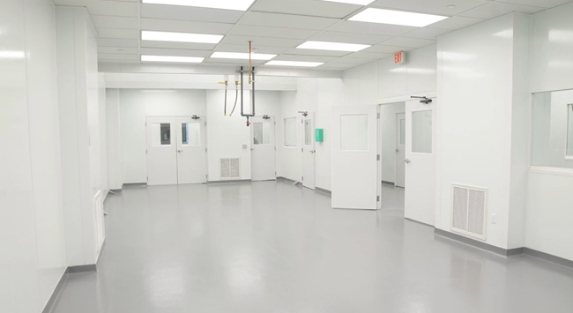
Introduction to Cleanroom Solutions for Modern Industries
Cleanroom Solutions have become indispensable for modern industries where contamination control, regulatory compliance, and product quality are non-negotiable. As manufacturing technologies advance and tolerances get tighter, even microscopic particulate contamination can jeopardize safety, performance, or yield. Sectors such as pharmaceuticals, biotechnology, electronics, aerospace, healthcare, medical devices, optics, food processing, and research laboratories rely heavily on well-designed cleanroom systems to maintain controlled environmental conditions.
These environments regulate particulate matter, microbial concentration, pressure differentials, humidity, temperature, and airflow patterns to protect both processes and personnel. Cleanroom Solutions encompass all aspects of cleanroom planning, cleanroom design solutions, engineering, construction, validation, equipment integration, and lifecycle maintenance. They also include modular cleanroom solutions, softwall and hardwall cleanrooms, mobile cleanrooms, and hybrid configurations tailored to specific production or research needs. The growing global emphasis on quality assurance, data integrity, and compliance with standards such as ISO, WHO, FDA, and EU-GMP has amplified the strategic importance of cleanroom solutions for industries.
Organizations now recognize that a cleanroom is not merely a facility upgrade; it is a core infrastructure component that underpins operational reliability, brand credibility, and regulatory acceptance. The Essential Guide to Cleanroom Solutions for Modern Industries provides a holistic understanding of how cleanrooms work, the technologies that enable them, the industries that depend on them, and the criteria for choosing the right cleanroom solution provider.
Understanding What Cleanroom Solutions Really Mean
Cleanroom Solutions refer to a complete ecosystem of services, systems, and technologies designed to create controlled environments where airborne particles, microbes, and contaminants are restricted within prescribed limits. A cleanroom is engineered to support processes that are highly sensitive to contamination, such as sterile pharmaceutical manufacturing, semiconductor lithography, spacecraft assembly, and critical medical procedures.
Cleanroom solutions for industries typically include feasibility assessment, cleanroom design solutions, engineering drawings, HVAC systems, HEPA or ULPA filtration systems, cleanroom furniture, cleanroom garments, pass boxes, air showers, laminar airflow systems, and environmental monitoring systems. Beyond infrastructure creation, cleanroom services also cover validation, qualification, certification, documentation, and ongoing maintenance. Cleanrooms are categorized according to international standards such as ISO 14644 and GMP classifications, with requirements ranging from ultra-stringent ISO Class 5 environments to less stringent ISO Class 9 areas. Each classification dictates specific airflow volume, air change rates, filtration efficiency, and gowning procedures.
Modern cleanroom systems integrate digital controls, automated monitoring, and alarm-based reporting to provide real-time data visibility. Cleanroom Solutions are highly customized; no two facilities are identical, as each is designed around process flow, equipment layout, contamination risks, and regulatory expectations. In essence, Cleanroom Solutions transform ordinary spaces into precision-controlled environments that enable industries to achieve reliability, repeatability, and regulatory compliance.
Why Modern Industries Depend on Cleanroom Solutions
Modern industries rely on Cleanroom Solutions because product quality, patient safety, and compliance frameworks demand extremely controlled manufacturing environments. In pharmaceuticals and biotechnology, contamination can render drugs ineffective or unsafe, leading to clinical risk and regulatory penalties. Cleanroom solutions for industries such as microelectronics, nanotechnology, and optics support ultra-precision manufacturing where even a single submicron particle can cause circuit defects or optical distortion.
Cleanroom systems ensure low particulate counts, controlled humidity, stable temperature, and optimized pressure gradients that protect both the product and the process. Another key reason for the adoption of Cleanroom Solutions is regulatory compliance. Authorities such as the FDA, EMA, WHO, and ISO enforce strict manufacturing standards that require validated cleanroom environments for production, packaging, and laboratory operations. Cleanroom services assist organizations in certification, documentation, qualification, and audit readiness, minimizing the risks associated with recalls, non-compliance observations, or operational shutdowns.
Beyond compliance, cleanrooms enhance operational efficiency, increase batch yields, reduce rework, and minimize contamination-related downtime. They enable innovation in fields like cell and gene therapy, advanced electronics, aerospace engineering, and medical research. As industries move toward digitalization, automation, and high-precision technologies, Cleanroom Solutions are becoming strategic assets critical to competitive advantage, global market access, and long-term sustainability.
Different Types of Cleanroom Solutions Used Today
Cleanroom Solutions today are available in multiple configurations to satisfy varied operational, spatial, and budgetary requirements. One of the most popular categories is modular cleanroom solutions, which use prefabricated wall panels and structural components that can be rapidly installed, relocated, expanded, or reconfigured. These systems are ideal for growing organizations, R&D centers, and start-ups that require flexibility along with compliance. Conventional or stick-built cleanrooms represent another major category, consisting of permanently constructed facilities integrated with the building architecture.
These cleanroom systems are suitable for large-scale pharmaceutical production, bulk drug manufacturing, and complex industrial layouts where long-term durability and integration with utilities are required. Softwall cleanrooms, created using transparent polymer curtains, provide localized contamination control zones and are widely used for packaging, assembly, and temporary process segregation. Mobile and portable cleanroom solutions support field research, on-site testing, military operations, and emergency medical deployment where a controlled environment must be established quickly in non-traditional settings.
Cleanrooms are also classified based on airflow principles such as laminar airflow or turbulent mixing, as well as based on cleanliness classes from ISO 5 to ISO 9 or Grade A to D under GMP frameworks. Each type of cleanroom solution is selected after evaluating contamination risk, process criticality, available space, scalability needs, budget constraints, and compliance expectations. The breadth of options allows Cleanroom Solutions to be precisely tailored to the operational realities of modern industries.
Key Components That Make Cleanroom Systems Effective
The effectiveness of Cleanroom Solutions depends on the integration of carefully engineered components that work together to maintain controlled environmental conditions. The foundation of any cleanroom system is its air filtration process, primarily utilizing HEPA or ULPA filters to capture particulate matter that is invisible to the naked eye. These filters are integrated into HVAC cleanroom systems that control pressure differentials, air change rates, temperature stability, and humidity levels.
Laminar airflow units ensure unidirectional airflow across critical work zones, minimizing turbulence and preventing particulate re-circulation. Air showers and pass boxes serve as contamination control gateways, ensuring that personnel and material movement does not compromise cleanroom integrity. Cleanroom monitoring systems continuously track parameters such as airborne particulates, airflow velocity, pressure gradients, temperature, relative humidity, and microbial counts. Data is logged and alarms are configured to detect deviations before they escalate into quality issues.
Cleanroom garments, including coveralls, hoods, masks, gloves, and shoe covers, form an essential component of the contamination control barrier. Cleanroom furniture, including stainless-steel tables, biosafety cabinets, and laminar flow workstations, is designed to minimize particle shedding and support aseptic operations. Complementing these physical components are SOPs, validation protocols, and periodic re-qualification programs that ensure the cleanroom maintains compliance throughout its lifecycle. Together, these elements form the backbone of robust Cleanroom Solutions capable of supporting highly sensitive industrial operations.
Planning and Engineering Cleanroom Design Solutions
Successful Cleanroom Solutions begin with strategic planning and engineering-driven design. Cleanroom design solutions focus on aligning facility layout with process flow, personnel movement, material transfer paths, and critical control points. The design process begins with understanding user requirements, process mapping, contamination risk analysis, and regulatory obligations.
Cleanroom zoning and pressure cascade strategies are defined to ensure that clean areas are protected from potential contamination sources. The design integrates HVAC systems, filtration units, return air ducts, electrical utilities, compressed air networks, and process equipment layouts, ensuring accessibility for routine maintenance and cleaning without compromising sterility. Computational fluid dynamics modeling is often used to study airflow behavior and optimize laminar flow patterns.
Modern designs also incorporate Building Management Systems (BMS) and Environmental Monitoring Systems (EMS) that enable real-time tracking of cleanroom parameters and automated alerts in case of deviation. Energy optimization is a key consideration, with cleanroom design solutions increasingly focusing on variable air volume systems, heat recovery units, and intelligent airflow controls. Material selection for flooring, wall panels, and ceilings is guided by cleanability, particle shedding characteristics, antimicrobial properties, and chemical resistance.
Documentation generated during the design phase supports validation, qualification, and regulatory inspections. Well-executed cleanroom design solutions ensure that facilities are compliant, efficient, scalable, and capable of delivering consistent operational performance across their entire service life.
Advances in Cleanroom Technology and Innovation
The landscape of Cleanroom Solutions is rapidly evolving with advancements in cleanroom technology and digital innovation. Automation and smart monitoring systems are transforming the way cleanrooms are operated and supervised. IoT-enabled sensors continuously monitor particulate concentration, pressure levels, humidity, and temperature, transmitting real-time data to centralized dashboards.
Artificial intelligence-driven analytics identify trends, predict deviations, and recommend preventive actions, strengthening compliance readiness and minimizing operational risk. Robotics and automated material handling systems are increasingly being incorporated into sterile manufacturing environments, reducing human intervention and thereby lowering contamination risk. Energy-efficient cleanroom solutions are gaining prominence, leveraging variable fan speed drives, intelligent airflow control, advanced insulation materials, and low-energy LED lighting to significantly reduce operational expenditure.
Sustainable cleanroom design is also emerging as a priority, emphasizing recyclable construction materials, low-VOC finishes, eco-friendly disinfectants, and optimized resource consumption. Digital documentation systems replace paper-based logs, enabling electronic batch records and audit-ready data trails. In future-ready facilities, augmented reality tools support maintenance and remote inspections, while wearable monitoring devices help assess gowning protocol compliance.
The convergence of cleanroom systems with Industry 4.0 concepts is reshaping cleanroom operations, making them smarter, safer, and more resilient. These innovations reinforce the strategic value of Cleanroom Solutions in sectors that depend on high-precision, contamination-controlled manufacturing.
Operation, Maintenance, and Cleanroom Services Lifecycle
Cleanroom Solutions do not end at construction; long-term performance depends on disciplined operation and maintenance practices supported by professional cleanroom services. Cleanrooms require regular validation, re-qualification, and certification to ensure continued compliance with ISO and GMP standards. This includes particulate monitoring, airflow visualization, HEPA filter integrity testing, and microbial sampling, all of which confirm that the cleanroom is functioning within its defined parameters.
Preventive maintenance programs address mechanical components such as HVAC units, air handling systems, and filtration assemblies to minimize breakdowns and unplanned downtime. SOPs govern gowning procedures, cleaning schedules, material movement, and personnel training, ensuring consistent contamination control. Cleanroom cleaning services utilize specialized disinfectants, lint-free wipes, mops, and vacuum systems designed for controlled environments. Environmental monitoring systems track deviations and generate compliance documentation essential for audits. Personnel competency plays a major role in cleanroom operations; therefore, regular training programs reinforce best practices, hygiene protocols, and regulatory expectations.
Cleanroom service providers often offer 24/7 technical support, emergency repair assistance, and predictive maintenance consultation. By combining technical maintenance, monitoring, documentation, and ongoing staff development, cleanroom services help organizations protect their investment, extend equipment lifespan, increase efficiency, and safeguard regulatory compliance throughout the operational lifecycle of the facility.
Selecting the Right Provider for Cleanroom Solutions
Choosing the right Cleanroom Solutions provider significantly influences project success, long-term operational reliability, and regulatory acceptance. A qualified provider brings multidisciplinary expertise across engineering design, HVAC systems, filtration technology, validation protocols, and regulatory standards. Organizations should evaluate the provider’s experience in relevant industries such as pharmaceuticals, biotechnology, microelectronics, aerospace, or healthcare, since application knowledge directly affects design accuracy.
A robust portfolio featuring case studies, certifications, and client references reflects proven capability. End-to-end capability is another critical selection parameter; leading providers offer feasibility study, cleanroom design solutions, construction, equipment integration, validation, and ongoing cleanroom services under a single umbrella, ensuring seamless execution. The provider’s understanding of ISO classifications, GMP requirements, FDA expectations, and documentation protocols determines how efficiently the project navigates regulatory audits.
In-house manufacturing of panels, filters, or cleanroom components often results in better quality control and faster project timelines. After-sales support is essential, including maintenance contracts, spare parts availability, and technical troubleshooting. The ability to deliver modular cleanroom solutions, scalable layouts, and future-ready digital monitoring systems enhances long-term value. Cost alone should never be the deciding factor; organizations must prioritize technical competence, compliance strength, post-commissioning support, and lifecycle partnership. Selecting the right cleanroom solution provider ensures that cleanrooms are not merely constructed but are validated, optimized, and sustained for years of reliable operation.
The Future of Cleanroom Solutions in Global Industries
The future of Cleanroom Solutions is closely linked to advancements in high-precision manufacturing, life sciences, and digital technology. Rapid growth in biologics, vaccines, cell and gene therapy, advanced semiconductor manufacturing, and nanotechnology will drive unprecedented demand for highly sophisticated cleanroom systems. Fully digital cleanrooms equipped with AI-driven monitoring, automated reporting, and robotics-assisted operations will become increasingly common.
Remote diagnostics, predictive maintenance, and cyber-secure environmental monitoring will enhance operational reliability. Energy-efficient and sustainable cleanroom design will remain a core focus as industries strive to lower energy consumption and meet environmental compliance frameworks. Future cleanroom solutions for industries will incorporate smart garments capable of tracking contamination exposure, self-decontaminating materials, and next-generation filtration technologies. Global regulatory frameworks will evolve, making data integrity, electronic records, and continuous monitoring central to compliance.
As manufacturing ecosystems become more interconnected, cleanrooms will function as intelligent nodes within broader smart factories. Ultimately, Cleanroom Solutions will continue to be strategic enablers of safety, innovation, and market competitiveness. Organizations embracing advanced cleanroom systems and cleanroom technology will be better positioned to deliver high-quality products, scale globally, and meet the stringent expectations of tomorrow’s regulatory and technological landscape.
Cost Considerations and ROI of Cleanroom Solutions
Investing in Cleanroom Solutions is often viewed as a significant capital expenditure; however, when evaluated strategically, cleanrooms deliver measurable returns that far outweigh initial costs. The total cost of ownership includes design, engineering, construction, HVAC integration, filtration units, monitoring systems, validation, and ongoing operations such as energy consumption, maintenance, and periodic requalification.
Modular cleanroom solutions generally offer lower upfront costs and faster deployment, making them ideal for organizations that require scalability. Conventional stick-built cleanrooms involve higher initial investment but provide long-term structural robustness, architectural integration, and process-specific customization. Operational costs are strongly influenced by energy demand because HVAC systems account for a substantial share of electricity consumption. Modern energy-efficient cleanroom solutions employing variable air volume systems, sensor-based airflow control, and efficient insulation significantly reduce lifecycle expenses.
ROI from cleanroom systems is realized through improved product quality, reduced rejection rates, minimized contamination events, and enhanced batch yields. Cleanrooms also reduce production downtime associated with rework, recalls, and deviations, thereby stabilizing operational continuity. Another major contributor to ROI is regulatory compliance. Validated cleanroom environments help organizations avoid penalties, import restrictions, and market-access challenges while strengthening brand credibility among regulators and customers. Cleanroom solutions for industries such as pharmaceuticals, semiconductors, and biotechnology are not optional expenses but strategic investments necessary for participation in global markets.
In addition, cleanrooms enable firms to undertake high-value manufacturing, develop advanced products, and expand into new therapeutic or technological segments. Accurate cost-benefit analysis should consider not only project expenditure but the financial value of risk mitigation, process capability, and long-term scalability. When properly planned and engineered, Cleanroom Solutions transition from being viewed as a cost center to becoming a powerful driver of innovation, revenue growth, and strategic competitiveness.
Common Challenges in Implementing Cleanroom Solutions
While Cleanroom Solutions deliver enormous operational and regulatory benefits, organizations often encounter several challenges during planning, implementation, and ongoing operation. One of the most common challenges is inadequate upfront requirement definition. If process parameters, equipment footprints, air classification needs, and regulatory expectations are not clearly understood, cleanroom design solutions may require costly redesign later. Budget constraints can also cause organizations to compromise on crucial components such as filtration quality, monitoring technology, or validation scope, increasing contamination risk.
Space limitations present another challenge, particularly when upgrading existing facilities into cleanroom environments. Integrating HVAC systems, utilities, and pressure cascades into constrained layouts requires specialized engineering expertise. Maintaining proper personnel behavior and discipline inside cleanrooms is also difficult. Human activity remains the largest contamination source, and insufficient training or poorly enforced SOPs can undermine even the most advanced cleanroom systems.
Energy consumption and operational costs may also increase if design optimization is not carried out thoroughly. Inadequate commissioning, lack of routine maintenance, and delayed filter replacement can degrade cleanroom performance over time. Regulatory compliance demands extensive documentation, validation protocols, and audit readiness, which many organizations underestimate during project planning. Cleanroom services providers often need to step in to correct implementation gaps after operations have already commenced.
Another emerging challenge involves cybersecure monitoring in digitally enabled cleanrooms. As environmental monitoring systems become connected to networks, safeguarding data integrity and system access becomes critical. Despite these challenges, most issues can be addressed through comprehensive planning, competent engineering, reliable cleanroom service support, and continuous staff training. Recognizing these barriers early enables organizations to deploy Cleanroom Solutions smoothly, avoid unexpected expenditure, and maintain long-term operational excellence.
Practical Tips for Organizations Adopting Cleanroom Solutions
Organizations planning to implement Cleanroom Solutions can significantly improve project outcomes by following structured, practical guidelines. The first strategic step is conducting a detailed user requirement specification (URS) that documents process needs, cleanliness classifications, utilities, equipment layout, gowning strategy, and regulatory obligations. Engaging experienced cleanroom solution providers early in the planning phase ensures alignment between process expectations and facility design. It is advisable to choose scalable solutions such as modular cleanrooms if expansion or reconfiguration is anticipated in the future.
Risk assessment should be performed systematically to identify contamination sources, personnel flow conflicts, and cross-contamination risks. Cleanroom design solutions must always prioritize airflow control, pressure cascades, and zoning principles over purely architectural considerations. Organizations should avoid focusing solely on upfront cost and instead evaluate lifecycle value, including operational efficiency and maintenance support. Selection of validated components—HEPA filters, monitoring systems, pass boxes, air showers, and laminar airflow units—helps avoid compliance complications later.
Personnel training is another critical success factor. Before initiating cleanroom operations, employees must be thoroughly trained in gowning procedures, hygiene practices, material handling, and behavior protocols. Establishing strong SOPs, documentation systems, and preventive maintenance schedules ensures ongoing regulatory compliance. Regularly partnering with cleanroom services providers for requalification, environmental monitoring, and performance audits strengthens operational reliability.
Organizations should also embrace technology-enabled solutions such as automated monitoring, digital documentation, and energy-efficient HVAC strategies to enhance long-term sustainability. Finally, leadership commitment plays a decisive role; cleanrooms are not simply engineering projects but strategic quality infrastructure. When approached with disciplined planning and lifecycle perspective, Cleanroom Solutions empower modern industries to innovate, comply, and grow with confidence.
Conclusion: Why Cleanroom Solutions Are No Longer Optional
Cleanroom Solutions have evolved from specialized facilities used by a handful of industries into essential infrastructure powering the global economy. As manufacturing tolerances tighten, regulatory frameworks strengthen, and high-value technologies proliferate, cleanrooms now define the viability of operations in pharmaceuticals, biotech, advanced electronics, aerospace, medical devices, and numerous emerging sectors. Cleanroom systems enable organizations to maintain controlled environments that protect processes, people, and products from contamination hazards that are otherwise invisible yet operationally devastating.
The Essential Guide to Cleanroom Solutions for Modern Industries demonstrates that cleanrooms are not simply dust-free rooms, but complex ecosystems integrating engineering design, advanced filtration, airflow control, environmental monitoring, documentation, and disciplined personnel practices. They represent strategic investments that secure compliance readiness, enhance product quality, improve yields, and enable entry into premium global markets. With advances in automation, AI-driven monitoring, sustainable engineering, modular cleanroom solutions, and digital validation systems, the future of cleanrooms is becoming even more intelligent and responsive.
Organizations that proactively adopt, upgrade, and manage high-performance Cleanroom Solutions position themselves at the forefront of innovation and regulatory excellence. As industries worldwide continue to transition toward precision manufacturing, biologics development, and nanoscale engineering, cleanrooms will remain a foundational enabler not only of operational capability but of strategic competitiveness.