
Introduction: The Growing Importance of Upgrading Gas Infrastructure in Laboratories
A Laboratory Gas Distribution System plays a foundational role in ensuring the safe, accurate, and uninterrupted functioning of laboratory operations. From research laboratories and diagnostic centers to pharmaceutical manufacturing units and academic institutions, laboratories depend on a continuous and controlled supply of gases such as nitrogen, oxygen, hydrogen, helium, and specialty gases. As laboratory activities become more complex and technology-driven, the demands placed on gas distribution systems increase significantly. Despite this, many laboratories continue to operate with outdated or underperforming gas distribution infrastructure.
Over time, laboratory gas systems face mechanical wear, outdated design limitations, and evolving compliance requirements. What was once sufficient for a laboratory’s operational needs may no longer meet present-day safety, efficiency, or performance standards. An aging laboratory gas distribution system can lead to inconsistent gas supply, pressure fluctuations, safety hazards, and frequent downtime, all of which directly impact laboratory productivity and reliability.
Upgrading a laboratory gas distribution system is no longer just a response to failure; it is a proactive measure aimed at future-proofing laboratory operations. Modern systems are engineered to support scalability, higher purity requirements, automation, and advanced safety controls. They also align with current regulatory and environmental standards, reducing compliance risks and long-term operational costs.
This article examines when and why a laboratory gas distribution system should be upgraded, highlighting key indicators, benefits, and strategic considerations. Understanding these factors enables laboratory managers, facility engineers, and decision-makers to plan upgrades effectively, ensuring that gas infrastructure supports both current needs and future growth. In an environment where safety, precision, and efficiency are paramount, timely upgrades are essential for sustaining high-performance laboratory operations.
Understanding the Role of a Laboratory Gas Distribution System
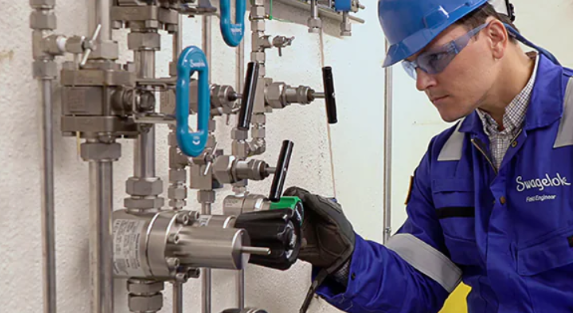
A Laboratory Gas Distribution System is designed to transport gases safely and efficiently from a centralized source to multiple points of use within a laboratory facility. These systems typically include gas cylinders or bulk storage, manifolds, pressure regulators, valves, piping networks, alarms, and safety shut-off mechanisms. Together, these components ensure consistent gas flow, stable pressure, and controlled delivery tailored to specific laboratory applications.
The primary function of a laboratory gas distribution system is to maintain gas purity and pressure while minimizing the risks associated with handling hazardous or flammable gases. Centralized gas distribution reduces the need for individual gas cylinders at workstations, thereby lowering the risk of leaks, accidental damage, and manual handling injuries. Additionally, centralized systems improve space utilization and streamline laboratory workflows.
As laboratory processes evolve, the role of the gas distribution system expands beyond basic supply. Modern laboratories rely on gas systems that support high-precision instruments, sensitive analytical procedures, and continuous operation environments. Any fluctuation in pressure or contamination in gas supply can compromise experimental accuracy, product quality, or patient safety in clinical settings.
An outdated laboratory gas distribution system may struggle to meet these demands. Older systems often lack advanced monitoring, automated changeover features, and real-time alarms. They may also be incompatible with modern laboratory equipment that requires precise gas control. Understanding the critical role of the gas distribution system highlights why timely upgrades are necessary to maintain operational integrity, safety compliance, and technological compatibility across laboratory environments.
When to Upgrade: Key Indicators That Demand Immediate Action
Recognizing the right time to upgrade a Laboratory Gas Distribution System is crucial for preventing safety incidents and operational disruptions. One of the most prominent indicators is aging infrastructure. Systems that have been in operation for over a decade often suffer from corrosion, material fatigue, and outdated components that are no longer supported by manufacturers. These issues increase the likelihood of leaks, pressure instability, and unplanned downtime.
Another clear sign is increased gas demand due to laboratory expansion or the addition of new equipment. When gas consumption exceeds the original system design capacity, laboratories may experience pressure drops, inconsistent gas delivery, or overworked manifolds. Such conditions compromise both safety and performance, making system upgrades essential.
Frequent maintenance issues and rising repair costs also signal the need for an upgrade. If technicians are repeatedly addressing leaks, regulator failures, or alarm malfunctions, the cumulative cost of repairs can exceed the investment required for a modern laboratory gas distribution system. Moreover, repeated downtime disrupts workflows and reduces overall productivity.
Regulatory non-compliance is another critical trigger. Safety standards and building codes are periodically updated to reflect best practices. Older systems may not meet current requirements for emergency shut-off valves, gas detection, or ventilation integration. Failing audits or inspections due to outdated gas infrastructure can lead to penalties or forced shutdowns.
Collectively, these indicators emphasize that upgrading should be viewed as a strategic decision rather than a reactive response. Addressing system limitations early helps laboratories maintain safety, compliance, and operational continuity.
Why Upgrade: Safety, Compliance, and Risk Reduction
Safety remains the most compelling reason to upgrade a Laboratory Gas Distribution System. Laboratories routinely handle flammable, toxic, and high-pressure gases that pose serious risks if improperly managed. Modern gas distribution systems are designed with advanced safety features such as automatic changeover panels, continuous gas monitoring, emergency isolation valves, and integrated alarm systems. These features significantly reduce the likelihood of accidents and enable rapid response in emergency situations.
Older systems often rely on manual processes and limited monitoring, increasing the risk of undetected leaks or delayed response to system failures. Even minor gas leaks can escalate into major safety incidents if not addressed promptly. Upgrading enhances protection for laboratory personnel, equipment, and infrastructure by incorporating multiple layers of safety control.
Compliance is another critical factor. Regulatory bodies mandate strict standards for laboratory gas systems to ensure safe operation. A modern laboratory gas distribution system is designed to align with current safety codes, pressure regulations, and emergency response requirements. Upgrading helps laboratories avoid compliance violations, legal liabilities, and reputational damage.
Risk reduction also extends to operational reliability. Stable gas supply and precise pressure control reduce the likelihood of experimental errors, equipment damage, and production losses. By upgrading, laboratories move from reactive risk management to proactive risk prevention, creating a safer and more controlled working environment.
Operational and Performance Benefits of a Modern Gas Distribution System
Beyond safety, upgrading a Laboratory Gas Distribution System delivers substantial operational and performance advantages. Modern systems are engineered to provide consistent pressure, uninterrupted gas flow, and high purity levels. This consistency is essential for laboratories that rely on precision instruments and sensitive analytical processes.
Improved system efficiency reduces gas wastage and minimizes pressure fluctuations that can affect experimental outcomes. Automated changeover systems ensure continuous gas supply without manual intervention, allowing laboratory staff to focus on core activities rather than system management. Enhanced monitoring capabilities provide real-time insights into gas usage, enabling better planning and resource optimization.
Upgraded systems also support advanced laboratory technologies that older infrastructures cannot accommodate. New analytical tools often require precise pressure control and ultra-high purity gases. A modern laboratory gas distribution system ensures compatibility with such technologies, enabling laboratories to remain competitive and innovative.
Additionally, modern systems are designed with scalability in mind. Modular components allow laboratories to expand or reconfigure gas supply networks without extensive redesign. This flexibility supports future growth while minimizing disruption and cost.
Strategic Considerations Before Upgrading
Before upgrading a Laboratory Gas Distribution System, careful planning is essential. A comprehensive system audit should be conducted to assess current performance, identify risks, and determine future gas requirements. This includes evaluating gas types, consumption patterns, pressure needs, and compliance gaps.
Stakeholder involvement is equally important. Facility managers, safety officers, laboratory users, and system integrators should collaborate to ensure that the upgraded system aligns with operational needs and safety objectives. Selecting appropriate materials, control systems, and monitoring technologies is critical for long-term performance.
Phased implementation strategies can help minimize operational disruption during upgrades. Proper documentation, training, and commissioning ensure that laboratory staff can operate the new system safely and effectively. Strategic planning transforms an upgrade from a technical project into a long-term investment in laboratory excellence.
Conclusion: Upgrading as a Long-Term Investment in Laboratory Excellence
Upgrading a Laboratory Gas Distribution System is a decisive step toward ensuring safety, compliance, efficiency, and future readiness. Aging infrastructure, increased demand, safety risks, and regulatory changes are clear signals that an upgrade is necessary. Modern gas distribution systems offer enhanced protection, improved operational performance, and the flexibility required to support evolving laboratory needs.
Rather than waiting for system failures or compliance issues, proactive upgrades allow laboratories to maintain uninterrupted operations and protect valuable assets. In today’s high-performance laboratory environments, upgrading gas distribution infrastructure is not merely an option—it is a strategic investment in reliability, safety, and scientific excellence.