
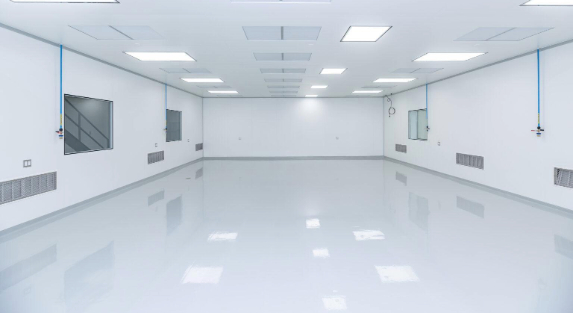
In industries where contamination can severely impact product quality, such as pharmaceuticals, biotechnology, and electronics, maintaining a sterile environment is paramount. While many focus on air filtration, gowning protocols, and temperature control, one often-overlooked but critical factor is the cleanroom flooring. The type and quality of flooring directly impact the sterility, safety, and efficiency of cleanrooms. In this article, we explore why cleanroom flooring is indispensable in maintaining a sterile environment and the various aspects that make it essential.
Prevention of Contamination
Cleanrooms are designed to minimize contamination from airborne particles, dust, and other pollutants. However, despite rigorous air filtration systems, cleanroom flooring plays a significant role in preventing the introduction of contaminants. Floor surfaces that are porous or have seams can trap dirt, bacteria, and dust particles, leading to an increase in contamination levels.
Materials like epoxy flooring and vinyl flooring are preferred because they are non-porous, seamless, and easy to clean. Unlike traditional flooring, which can accumulate dirt in grout lines, cleanroom flooring is designed to ensure that contaminants cannot hide in seams or cracks. This seamless design helps minimize the risk of contamination by making it easier to clean and sanitize the floor regularly. Additionally, anti-microbial properties in some cleanroom flooring options further prevent bacterial growth, ensuring that the environment remains sterile.
In cleanroom environments, even the smallest particle or dust accumulation can have significant consequences. Using the right flooring material ensures that contamination is controlled, safeguarding the integrity of both products and processes. Thus, maintaining sterile conditions relies heavily on the quality and cleanliness of the flooring system.
Durability and Longevity
In cleanroom environments, durability is a key consideration for flooring. Cleanrooms often experience high foot traffic, heavy equipment movement, and frequent cleaning, all of which can take a toll on floor surfaces. Floors that wear out or crack can compromise the integrity of the cleanroom by creating spaces where contaminants can enter.
Cleanroom flooring must be tough enough to withstand these conditions without deteriorating. Epoxy flooring, vinyl, and rubber-based floors are known for their durability. These materials provide a strong, resilient surface that can endure heavy traffic and frequent cleaning without losing their effectiveness. High-quality flooring materials are resistant to chemicals, abrasion, and other elements that could compromise the cleanliness of the room.
Additionally, cleanroom floors must be resistant to staining and easy to clean after exposure to chemicals or spills. Whether you are dealing with food products, pharmaceuticals, or delicate electronics, a durable flooring system ensures that the cleanroom environment remains intact for long periods, reducing the need for frequent replacements. Investing in long-lasting cleanroom flooring helps save on maintenance costs while ensuring a consistent level of sterility.
Furthermore, a long-lasting flooring solution guarantees that cleanrooms remain in compliance with industry regulations. Floors that deteriorate over time can negatively affect compliance and result in costly penalties, making durability an essential factor in cleanroom floor selection.
Static Control in Sensitive Environments
In certain cleanroom settings, particularly in industries like electronics manufacturing and semiconductor production, static electricity can have disastrous effects on equipment and products. Electrostatic discharge (ESD) can damage sensitive components, leading to defects, malfunctions, or even complete failure of devices. Therefore, static control in these environments is a priority.
Anti-static cleanroom flooring is crucial in preventing static buildup and ensuring a safe environment for sensitive materials. Flooring materials like conductive vinyl or epoxy-based systems are designed to dissipate static charges, preventing them from accumulating on the floor surface. By grounding the static, these materials significantly reduce the risks associated with ESD.
Anti-static flooring is especially vital in cleanrooms where delicate electronics or microelectronics are assembled or tested. Without the proper flooring, static could build up on workers' clothing or equipment, inadvertently transferring to the products and causing irreparable damage. Anti-static flooring ensures that static charges are safely neutralized, providing a controlled and secure environment for high-tech manufacturing.
The choice of floor material is critical in such environments, as proper static control helps maintain product quality and reduces the likelihood of costly failures. Businesses that fail to implement adequate static-dissipative measures risk damaging expensive equipment, resulting in increased costs and potential losses in production.
Ease of Cleaning and Maintenance
Cleanliness is the foundation of any sterile environment, and cleanroom floors must be designed for easy maintenance. The regular cleaning and sanitization of floors are essential to prevent the buildup of dust, debris, and microorganisms, which could compromise the cleanroom’s sterility. Unlike traditional floors, cleanroom flooring is engineered to be non-porous, seamless, and resistant to staining, ensuring that cleaning tasks are quick and efficient.
Vinyl cleanroom flooring and epoxy-based floors are particularly popular because of their smooth surfaces, which do not allow contaminants to cling. These materials are not only easy to clean but also resistant to chemical spills, ensuring that cleaning agents do not damage the surface. Additionally, the seamless nature of these materials means that there are fewer places where dirt and contaminants can accumulate, making the cleaning process more effective.
A cleanroom’s floor should be able to withstand frequent cleaning without degradation. It should also be resistant to chemicals commonly used in cleanroom environments, such as disinfectants and solvents. Floors that are easy to maintain reduce the time and effort spent on routine cleaning, ensuring that the cleanroom remains compliant with hygiene standards and ready for operation.
In addition, cleanroom flooring that can withstand cleaning with harsh chemicals is crucial in industries that require stringent sterilization procedures. Using materials that maintain their appearance and function despite repeated cleaning cycles helps keep the facility running efficiently.
Compliance with Industry Standards
Every cleanroom is required to meet certain regulatory standards depending on the industry, and flooring plays an integral part in maintaining compliance. Standards like ISO 14644-1 and guidelines from the FDA or GMP (Good Manufacturing Practices) dictate that cleanrooms must meet specific cleanliness levels to ensure product safety and quality.
Cleanroom flooring is subject to these regulations, and businesses must ensure that the flooring materials used comply with the necessary standards. For example, flooring materials must be capable of withstanding regular cleaning, minimizing particle generation, and preventing microbial growth. Non-compliance with these standards could lead to penalties, product recalls, or even shutdowns.
Selecting the appropriate cleanroom flooring ensures that the facility adheres to regulatory requirements while providing a safe, sterile environment for operations. High-quality flooring systems are designed to meet or exceed these standards, helping businesses avoid compliance issues and ensuring that the cleanroom maintains its high level of hygiene and cleanliness.
Regulatory bodies emphasize the importance of floor integrity and cleanliness, underscoring the critical role cleanroom flooring plays in operational success. Flooring that doesn’t meet industry requirements can compromise the entire cleanroom, leading to costly delays and safety concerns.
Conclusion
Cleanroom flooring is not just a functional aspect of sterile environments—it’s a cornerstone that ensures the sterility, safety, and performance of critical industries. From preventing contamination and managing static to providing easy cleaning and complying with industry standards, the right flooring material is integral to maintaining a sterile environment. Whether you're in the pharmaceutical industry, electronics manufacturing, or biotechnology, investing in the proper cleanroom flooring ensures that your operations run smoothly and safely.
Choosing the right flooring material is more than a matter of aesthetics; it’s about protecting your products, your workers, and your business. High-quality, durable, and easy-to-maintain flooring systems help ensure that cleanrooms remain compliant, efficient, and ready to meet the demands of the industry.