
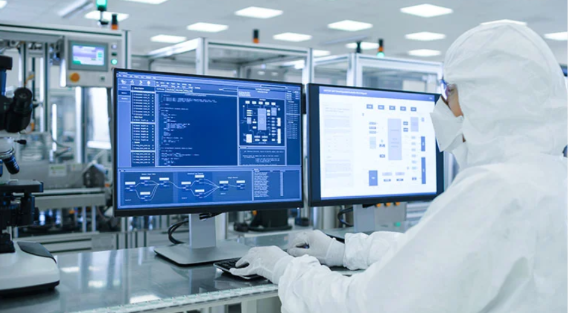
In industries where even microscopic contamination can lead to product failure, regulatory action, or patient risk, cleanrooms are not optional—they are mission-critical. However, designing a cleanroom alone does not guarantee control. Continuous oversight of environmental conditions is essential to ensure that cleanroom performance remains within validated limits. This is where Cleanroom Environmental Monitoring Systems play a decisive role.
Environmental monitoring is the backbone of cleanroom compliance, product integrity, and operational reliability. Without accurate, real-time monitoring, cleanrooms become vulnerable to undetected deviations that can compromise quality and safety. This article explains why environmental monitoring is critical in cleanrooms and how Cleanroom Environmental Monitoring Systems safeguard controlled environments across regulated industries.
1. The Role of Environmental Monitoring in Cleanroom Control
Cleanrooms are engineered environments designed to maintain strict control over airborne particles, temperature, humidity, pressure differentials, and microbial contamination. However, design alone cannot guarantee sustained performance. Continuous environmental oversight is essential to ensure that controlled conditions remain within validated limits. This is where Cleanroom Environmental Monitoring Systems become indispensable.
Environmental monitoring acts as the sensory framework of a cleanroom. It continuously measures critical parameters that directly influence contamination risks and operational stability. Even minor deviations—such as a drop in differential pressure or a spike in airborne particles—can compromise cleanroom integrity if left undetected. Cleanroom Environmental Monitoring Systems provide uninterrupted visibility into these parameters, allowing facilities to maintain environmental stability throughout daily operations.
Unlike manual or periodic checks, automated monitoring systems collect real-time data across multiple zones and processes. This ensures that environmental fluctuations caused by personnel movement, equipment operation, or HVAC variations are captured immediately. The continuous nature of monitoring helps establish baseline performance, identify abnormal trends, and confirm that cleanroom conditions remain under control.
In regulated industries, environmental monitoring is not optional. It forms the foundation of contamination control strategies and supports ongoing risk management. By continuously validating cleanroom performance, Cleanroom Environmental Monitoring Systems ensure that controlled environments function as intended—not just during qualification, but throughout their operational lifecycle.
2. Regulatory Compliance and the Importance of Continuous Monitoring
One of the most critical reasons environmental monitoring is essential in cleanrooms is regulatory compliance. Global regulatory bodies such as the FDA, EMA, and ISO mandate strict environmental control to ensure product safety, quality, and consistency. Standards including ISO 14644 and EU GMP Annex 1 clearly emphasize the need for systematic environmental monitoring as part of good manufacturing practice.
Cleanroom Environmental Monitoring Systems provide the documented evidence required to demonstrate compliance during regulatory audits and inspections. These systems generate time-stamped, traceable records that show environmental conditions were maintained within predefined limits throughout production. Regulators increasingly expect continuous or near-continuous monitoring rather than sporadic manual measurements, as automated systems significantly reduce the risk of data gaps and human error.
In addition, modern monitoring systems are designed to comply with data integrity principles such as ALCOA+. Secure data storage, audit trails, controlled access, and automated reporting ensure that monitoring data is complete, accurate, and reliable. This level of transparency is essential for inspection readiness and regulatory confidence.
Failure to implement robust environmental monitoring can result in audit observations, warning letters, batch rejections, or even facility shutdowns. By contrast, a well-designed Cleanroom Environmental Monitoring System not only supports compliance but also simplifies regulatory interactions by providing clear, organized, and defensible environmental data.
3. Contamination Prevention and Protection of Product Quality
Contamination control is the primary objective of any cleanroom, and environmental monitoring is central to achieving it. Cleanroom conditions can change rapidly due to process activities, equipment heat output, door openings, or personnel movement. Without continuous oversight, these changes may go unnoticed until contamination has already occurred.
Cleanroom Environmental Monitoring Systems continuously track airborne particles, pressure differentials, and other key parameters that influence contamination risks. For example, a loss of positive pressure can allow contaminants to enter critical areas, while elevated particle counts may indicate process disturbances or HVAC inefficiencies. Early detection allows corrective actions to be implemented before products are affected.
Environmental conditions are also closely linked to product quality. Temperature and humidity excursions can impact chemical stability, material properties, and sterility assurance. Monitoring systems ensure that these parameters remain within validated ranges throughout manufacturing, packaging, and storage processes.
By providing continuous environmental data, monitoring systems support informed quality decisions, including batch release and deviation investigations. They also help organizations identify recurring issues, improve process control, and reduce product loss. In high-value manufacturing environments, the ability of Cleanroom Environmental Monitoring Systems to protect product quality translates directly into reduced risk and improved operational reliability.
4. Real-Time Alerts, Data Integrity, and Operational Efficiency
Modern cleanroom operations demand proactive control rather than reactive correction. One of the most significant advantages of Cleanroom Environmental Monitoring Systems is their ability to provide real-time alerts when environmental parameters approach or exceed defined limits. These alerts enable immediate investigation and response, minimizing the duration and impact of deviations.
Alarm management features allow facilities to define warning and action thresholds, ensuring that operators are notified before conditions become critical. This proactive approach reduces downtime, prevents batch failures, and supports faster root cause analysis. Real-time monitoring also enables remote oversight, allowing authorized personnel to respond quickly even when not physically present in the cleanroom.
Beyond alerting, data integrity is a key strength of automated monitoring systems. Manual records are prone to transcription errors, missing entries, and inconsistent documentation. Automated systems eliminate these risks by capturing data directly from validated sensors and storing it securely with complete audit trails.
Over time, trend analysis and reporting tools within Cleanroom Environmental Monitoring Systems support continuous improvement initiatives. Facilities can optimize HVAC performance, reduce false alarms, and improve overall cleanroom efficiency. This data-driven approach enhances operational decision-making while maintaining strict environmental control.
5. Supporting Validation, Lifecycle Management, and Future-Ready Cleanrooms
Environmental monitoring plays a vital role throughout the entire cleanroom lifecycle—from design and validation to routine operation and expansion. During qualification activities, monitoring data supports Installation, Operational, and Performance Qualification by demonstrating that environmental controls function as intended.
Once operational, Cleanroom Environmental Monitoring Systems help maintain the validated state of the cleanroom. Continuous monitoring verifies that environmental conditions remain stable over time and provides objective evidence during requalification, audits, and change management activities. Any modification to layout, equipment, or processes can be assessed using historical and real-time monitoring data.
As cleanrooms evolve, monitoring systems must also adapt. Modern facilities increasingly require scalable, software-driven solutions that integrate with HVAC systems, Building Management Systems, and digital quality platforms. Advanced Cleanroom Environmental Monitoring Systems support centralized control, remote access, and long-term data analytics, making them suitable for complex, multi-room environments.
In the context of increasing regulatory scrutiny and technological advancement, environmental monitoring is no longer a supporting function—it is a strategic requirement. Investing in robust monitoring systems ensures long-term compliance, operational resilience, and confidence in cleanroom performance.
6. The Importance of Monitoring Critical Environmental Parameters
Cleanroom performance is defined by the precise control of multiple environmental parameters, each of which plays a distinct role in contamination prevention and process stability. Cleanroom Environmental Monitoring Systems are designed to continuously track these critical variables and ensure they remain within validated limits.
Airborne particle monitoring is fundamental, as particulate contamination poses a direct threat to product sterility and functional integrity. Continuous particle monitoring helps identify sources of contamination such as equipment wear, personnel activity, or airflow disruptions. Sudden increases in particle counts often serve as early indicators of process or facility issues that require immediate attention.
Temperature and relative humidity monitoring are equally critical. Many pharmaceutical formulations, biological materials, and medical devices are highly sensitive to environmental fluctuations. Deviations in temperature or humidity can affect chemical stability, microbial growth, and material properties. Cleanroom Environmental Monitoring Systems ensure consistent environmental conditions throughout manufacturing and storage operations.
Differential pressure monitoring is essential for maintaining airflow directionality and preventing cross-contamination between cleanroom zones. Loss of pressure control can allow contaminants to migrate from lower-grade areas into critical spaces. Continuous pressure monitoring ensures that airflows remain correctly balanced at all times.
By integrating these parameters into a single monitoring platform, Cleanroom Environmental Monitoring Systems provide a comprehensive view of cleanroom health. This holistic monitoring approach supports rapid decision-making, strengthens contamination control strategies, and ensures consistent cleanroom performance.
7. Environmental Monitoring as a Risk Management Tool
Environmental monitoring is not only a compliance requirement but also a powerful risk management mechanism. Cleanroom operations inherently involve multiple risk factors, including equipment failures, HVAC fluctuations, and human intervention. Cleanroom Environmental Monitoring Systems help mitigate these risks by providing continuous situational awareness.
Through real-time data collection and trend analysis, monitoring systems allow organizations to identify potential risks before they escalate into critical events. For example, recurring temperature excursions may indicate an underlying HVAC issue, while repeated particle spikes may suggest process inefficiencies or inadequate gowning practices. Early identification enables preventive action rather than reactive correction.
Risk-based environmental monitoring aligns with modern quality management principles and regulatory expectations. Authorities increasingly emphasize proactive risk control rather than retrospective investigation. Cleanroom Environmental Monitoring Systems support this approach by providing objective, data-driven insights into environmental performance.
In addition, alarm escalation protocols ensure that deviations are addressed promptly and appropriately. Critical alerts can trigger immediate interventions, while lower-level warnings allow planned corrective actions. This structured response framework minimizes the likelihood of product loss, contamination events, or regulatory non-compliance.
By embedding environmental monitoring into overall risk management strategies, organizations can improve operational resilience, enhance quality assurance, and reduce uncertainty across cleanroom operations.
8. Supporting Data-Driven Quality Decisions and Audits
Reliable environmental data is essential for informed quality decision-making. Cleanroom Environmental Monitoring Systems provide continuous, high-resolution data that quality teams rely on for batch disposition, deviation management, and audit preparation.
During batch release, environmental data serves as evidence that products were manufactured under controlled conditions. Any deviations recorded by the monitoring system can be assessed in context, enabling accurate impact analysis and scientifically justified decisions. Without reliable monitoring data, quality assessments become subjective and risk-prone.
From an audit perspective, Cleanroom Environmental Monitoring Systems streamline regulatory inspections. Automated reports, trend analyses, and audit trails allow inspectors to quickly evaluate cleanroom performance over time. The availability of centralized, well-organized data reduces inspection duration and improves regulatory confidence.
Data integrity is a key concern for regulators, and automated monitoring systems address this through secure access controls, electronic signatures, and tamper-evident records. These features ensure compliance with data integrity expectations and reduce the risk of audit findings related to documentation practices.
By supporting transparent, defensible quality decisions, Cleanroom Environmental Monitoring Systems strengthen quality governance and foster trust with regulatory authorities.
9. Integration with Modern Cleanroom Infrastructure
Modern cleanrooms are increasingly complex, requiring seamless integration between multiple systems. Cleanroom Environmental Monitoring Systems are designed to interface with HVAC systems, Building Management Systems (BMS), and digital quality platforms to provide unified environmental control.
Integration with HVAC systems enables real-time feedback and optimization of airflow, temperature, and humidity control. When deviations occur, integrated systems can support faster corrective actions and improved system responsiveness. This interconnected approach enhances overall cleanroom stability.
Centralized monitoring platforms allow environmental data from multiple rooms or facilities to be managed through a single interface. This is particularly valuable for large-scale operations or organizations with distributed manufacturing sites. Cleanroom Environmental Monitoring Systems support scalability without compromising control or data quality.
As digital transformation accelerates, monitoring systems are evolving to support remote access, cloud-based analytics, and predictive maintenance. These capabilities enable organizations to anticipate issues, optimize energy usage, and maintain compliance in increasingly dynamic operational environments.
10. Conclusion: Environmental Monitoring as a Strategic Necessity
Environmental monitoring is no longer a supporting function within cleanroom operations—it is a strategic necessity. In highly regulated and contamination-sensitive industries, sustained control of environmental conditions is essential for compliance, product quality, and operational success.
Cleanroom Environmental Monitoring Systems provide the continuous visibility, data integrity, and proactive control required to maintain cleanroom performance over time. By enabling real-time monitoring, risk mitigation, and informed decision-making, these systems protect both products and patients.
As regulatory expectations rise and cleanroom technologies advance, organizations must view environmental monitoring as an investment rather than a cost. A robust monitoring strategy ensures long-term compliance, operational resilience, and confidence in cleanroom performance—making it an indispensable component of modern cleanroom management.